By Pete Mercer
Connected technology, thoughtful room design and streamlined workflows are helping providers create exam rooms that work better for patients and caregivers alike.
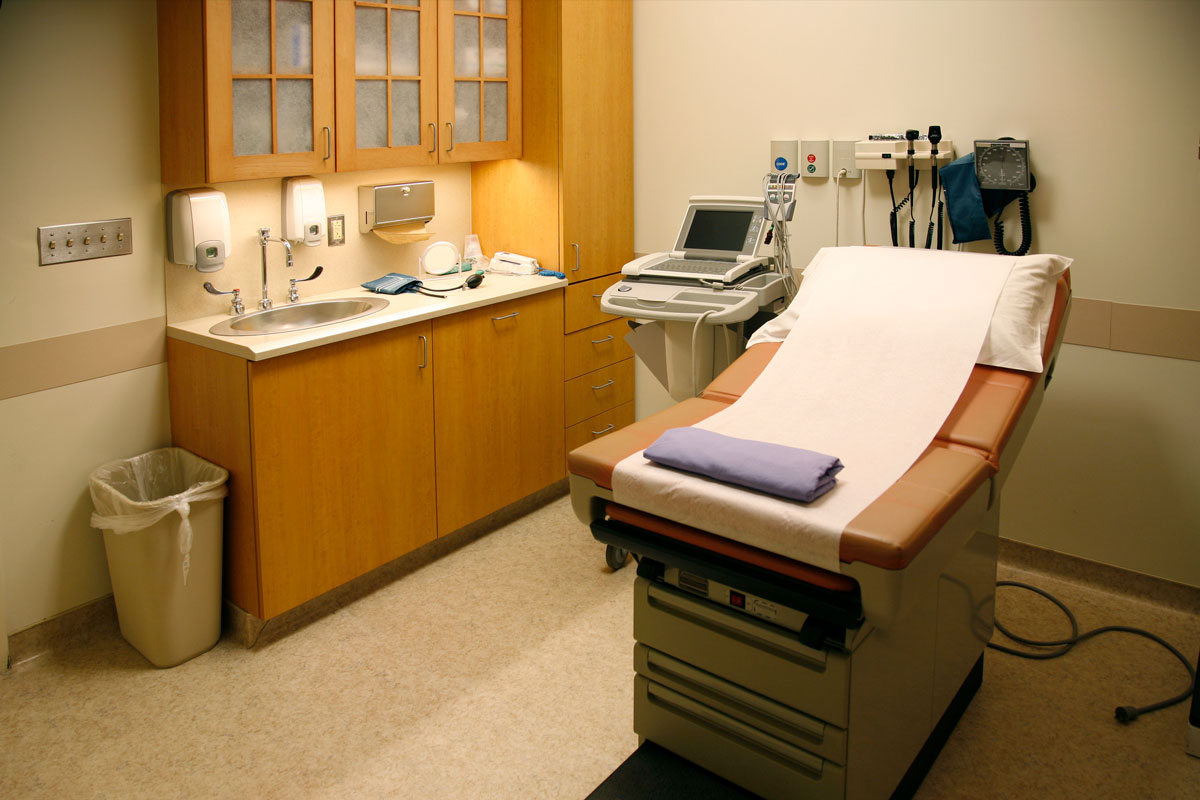
Making a trip to the doctor can be challenging, even for mundane visits. Indeed, many patients have already made up their mind about how their experience at the doctor is going to go before they walk in. That’s why understanding the patient experience matters – knowing how each touchpoint impacts the patient will give providers a better understanding of where they can improve.

Repertoire recently spoke to Tracy Timmerman, Director of Medical Marketing for Midmark, about how the patient experience has changed in the last 10 years and how it’s become a strategic priority for providers.
How has the patient experience changed in the last 10 years?
There’s been a lot of change in the world of healthcare over the last 10 years. We’ve weathered a pandemic and seen advances in technology surge, creating seismic shifts in the delivery and accessibility of care. The patient experience has shifted as well, from a provider-centric model to what is now a consumer-driven, digital-first model.
During the pandemic, we needed new avenues for patients to see their providers without the risk of sitting in a waiting room. Telehealth became a popular alternative to in-person doctor visits, allowing patients to connect with their doctors via video calls. To this day, telehealth is still a viable avenue for doctor’s appointments, despite the limitations of not being seen face-to-face.
The patient experience is even bigger than the visit to the doctor, which is something healthcare has had to embrace over the last few years. “I think we’ve broadened our definition of patient experience quite a bit over the last decade,” Timmerman said. “It used to be largely measured by satisfaction scores or how patients felt about their interactions with a provider. Today, healthcare leaders recognize that patient experience starts long before the caregiver enters the exam room and continues long after the visit is over.”
That shift is visible at every touchpoint, from scheduling and check-in to the physical environment. Timmerman said that the patient experience isn’t separate from the quality of care that they receive. “When patients feel comfortable, informed and engaged, it creates better conversations, greater trust and often better outcomes. That’s why it has become such an important part of how healthcare organization think about delivering care.”
Making a good first impression
A significant part of the challenge that healthcare organizations are facing today is that they are asked to do more with fewer resources, across the board. Whether it’s staffing shortages or financial pressures, providers are trying to improve the quality of care and patient outcomes with limited resources to do so.
“Patient experience sits right in the middle of those challenges – when organizations improve the experience, they’re often improving efficiency, caregiver satisfaction, and clinical outcomes at the same time.”
Timmerman argues that these limited resources are the reason why health systems are taking a more holistic view of the care environment. She said, “They’re asking, ‘How do we remove friction from the care experience?’ because every minute a caregiver spends looking for equipment or working around an inefficient room is a minute they’re not focused on the patient.”

Leveraging the environment
The physical environment plays a huge role in the patient experience, much bigger than people may realize. As soon as the patient walks into the facility, they begin forming opinions about how welcoming, organized, and comfortable the facility feels. Those first impressions carry a lot of weight, especially when it comes to the actual appointment.
The flow of the exam room also affects providers themselves. “The environment also has a tremendous impact on caregivers. If the room supports their workflow, keeps equipment within reach and allows technology to work seamlessly, providers can spend more time engaging with patients instead of managing the environment around them,” she said.
She argues that the exam room is where the most important conversations in healthcare happen. “Patients receive diagnoses, ask vulnerable questions, and make decisions about their health in those spaces. When the room is thoughtfully designed, it helps reduce the anxiety and creates a more comfortable experience.”
Room design is one of the areas Midmark specializes in, offering things like cabinetry, seating, and examination chairs – all products that make a difference in creating a welcoming and organized environment to improve workflows and ease any patient anxiety. Good room design solves problems that patients and providers shouldn’t even see, making everything easy to use for provider and accessible for patients.
“Patients may not notice every design detail, but they absolutely notice how the experience makes them feel,” she said. “Every design decision should make it easier for caregivers to focus on caring for people. That’s our philosophy at Midmark.”
Improving efficiency with room design
Efficiency happens by reducing friction throughout the day. The less time that providers can spend orienting the room to the needs of the patient, the more time that they’ll be able to spend conversing with the patient about their health.
“If the layout supports the natural flow of an exam, staff don’t have to work around the room, they can work with it,” Timmerman said. “A great example is the evolution of vital signs collection at the point-of-care. Traditionally, capturing a patient’s height, weight, and other vitals could require multiple steps, additional equipment and interruptions to the workflow. Today, solutions such as an integrated scale in the Midmark 626 Barrier-Free Examination Chair allows caregivers to capture weight as part of the patient assessment without requiring patients to move to another device or adding unnecessary steps to the visit.”
By capturing vital signs at the point-of-care and incorporated into the overall workflow, caregivers spend less time managing the processes and more time engaging with patients. Small steps like these ultimately create a smoother experience for both the patient and provider,
“That’s where thoughtful design creates real value, not by adding more complexity, but by removing barriers that keep caregivers from focusing on what matters most: delivering better care.”
The exam room of the future
As technology continues to evolve, greater possibilities will continue to emerge. The future of healthcare will be more connected than ever before. Timmerman said that the future of exam rooms will be defined by having technology that works together and works quietly in the background.
“The future exam room will be connected, adaptable, and designed around the needs of both patients and caregivers. Information will flow seamlessly, equipment will support efficient clinical workflows and the space itself will be flexible enough to meet changing models of care.”
The rise of artificial intelligence will also play a role, helping to automate documentation and administrative tasks, support clinical decision-making, and identify other opportunities to improve the workflow. While it might be seen as a way to add yet another layer of technology to the space, any foray into implementing AI should be looked at to eliminate any further steps that contribute to caregiver burden.
“When space, workflow and technology are intentionally designed to work together, caregivers can spend less time managing the visit and more time being present with their patients. At the end of the day, that’s what better care experiences are all about.”
Key Takeaways
- Patient experience has expanded beyond the exam room, encompassing every touchpoint from scheduling and check-in to follow-up and the physical care environment.
- Thoughtful exam-room design can improve both patient comfort and caregiver efficiency by reducing friction, keeping equipment accessible and supporting natural clinical workflows.
- Small workflow improvements can make a meaningful difference, allowing caregivers to spend less time managing equipment and processes and more time engaging with patients.
- The exam room of the future will be connected and adaptable, with technology and AI working quietly in the background to streamline care while reducing caregiver burden.