April 21, 2026- Many hospitals and health systems have committed to reducing greenhouse gas (GHG) emissions by 50% by 2030, and achieving net-zero emissions by 2050, in line with the Paris Agreement, which aims to slow climate change by cutting emissions and limiting global warming, per Cardinal Health. They have a convincing reason to do so, as the National Academy of Medicine (NAM) reports that the healthcare sector is a significant contributor to climate change, accounting for 8.5% of U.S. emissions and 4.4% globally; single-use medical devices (SUDs) are a notable driver of those emissions.
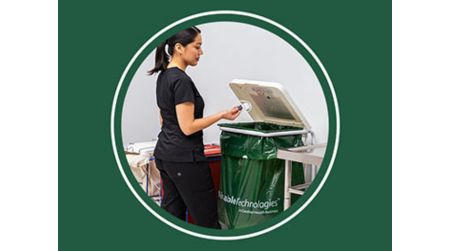
The Cardinal Health Sustainable Technologies business is a leading provider of SUD collections and reprocessing services in the U.S. In fiscal year 2025, Cardinal Health collected 21.6 million single-use devices and diverted 6.6 million pounds of waste from landfills, avoiding 1,900 metric tons of CO2e emissions.
A growing body of peer-reviewed research, as cited by NAM, supports single-use device reprocessing as a strategy for hospitals to help reduce costs, GHG emissions and solid waste and improve supply chain resiliency. Reprocessing — the process of cleaning, testing and disinfecting and/or sterilizing single-use medical devices, allowing them to be safely resold for patient use — creates unique opportunities for the healthcare supply chain.