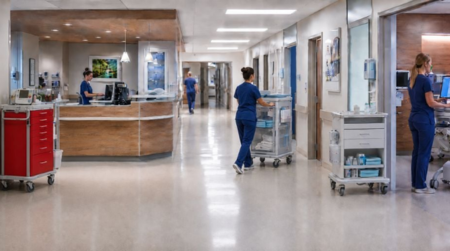
June 25, 2026- Medical carts are easy to overlook until the wrong cart slows down a busy shift. A cart that is too tall, too wide, poorly configured, hard to clean, difficult to lock, or awkward to steer can create daily friction for nurses, physicians, environmental services teams, materials managers, and facility staff, according to CME Corp. A well-chosen cart, on the other hand, keeps supplies organized, brings equipment closer to the point of care, and helps teams work with fewer interruptions.
Hospitals, ambulatory surgery centers, clinics, physician offices, long-term care facilities, rehabilitation centers, behavioral health facilities, and specialty departments all use medical carts differently. That is why cart selection should be tied to workflow, storage needs, infection prevention practices, department layout, security requirements, and the type of care being delivered. This guide from CME Corp. reviews common types of medical carts, important features to compare, and practical questions to ask before purchasing or standardizing carts across a facility.