UC Davis Health unveils at-home patient blood pressure monitoring.
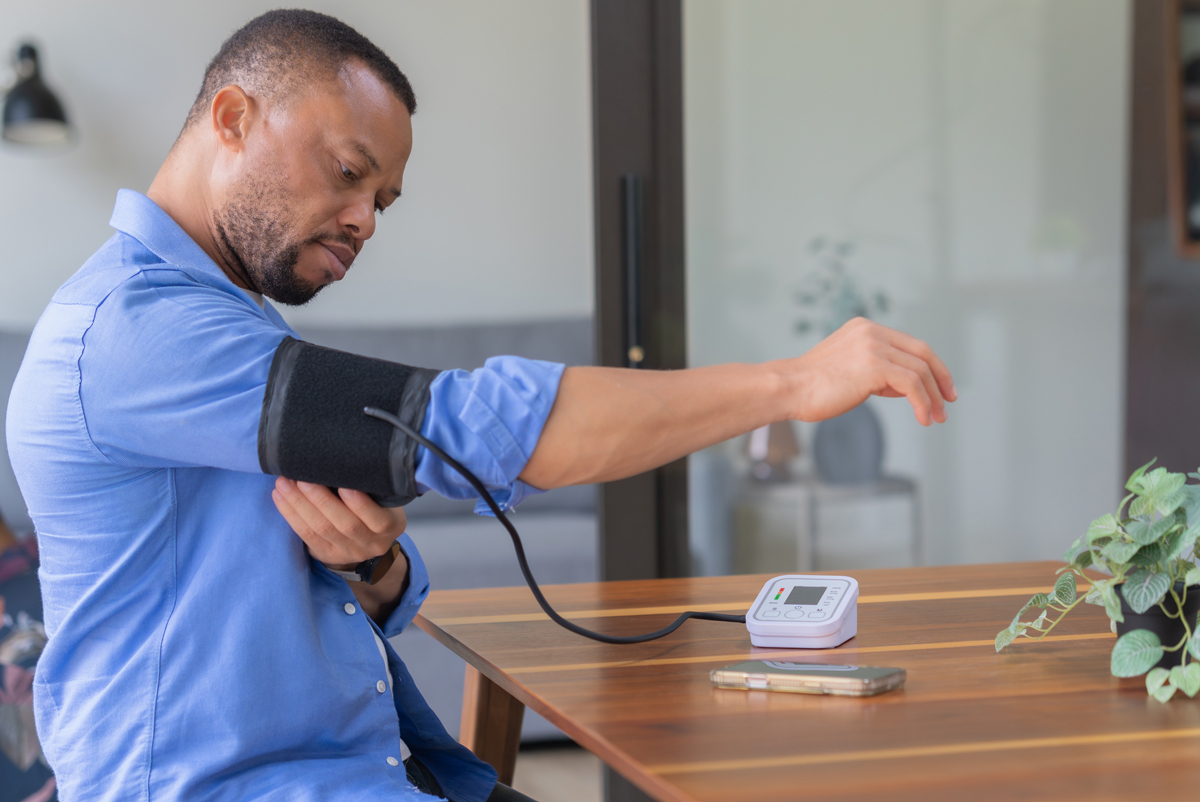
Nearly half of all adults in the U.S. have hypertension (48.1%, or 119.9 million), according to the Centers for Disease Control and Prevention (CDC). Patients are often not aware that their blood pressure is elevated – which is why it is referred to as an ‘invisible killer.’ Hypertension puts patients at an elevated risk of a heart attack or stroke and results in nearly 145 million emergency department visits across the U.S. each year.
Gaps in monitoring and education can prevent patients from getting timely intervention and seeking treatment for hypertension. When patients leave a medical facility after being diagnosed with hypertension, they are often unaware of their day-to-day blood pressure readings and what personal changes they can make to lower their blood pressure.
To address these gaps, UC Davis Health launched an at-home monitoring program in 2024 for patients with high blood pressure. Using connected medical devices, the program aims to promote wellness and better blood pressure control for patients.
“There are a number of patients who want to do more to improve their blood pressure and reduce their risk of heart attack and stroke, but without consistent data, it’s easy for patients to feel like this aspect health is out of sight, out of mind,” said Reshma Gupta, MD, M.S.H.P.M., Primary Care Physician and Chief of Population Health and Accountable Care at UC Davis Health. “Hypertension is known as a silent killer – unless we can engage with it and see how a patient’s numbers track over time; we will not be able to address it.”
The patient remote blood pressure monitoring program falls under UC Davis Health’s Office of Population Health, which works to improve the culture of delivering population health as well as providing more affordable care to patients.
“The UC Davis Health program addresses gaps in consistent monitoring by focusing on making the numbers more transparent and giving people the data in their hands so they can engage with it,” said Dr. Gupta.
Monitoring BP
Measuring blood pressure consistently is an important step for patients focused on achieving or maintaining a healthy blood pressure and for preventing hospital readmissions and unnecessary visits. High blood pressure is defined as systolic blood pressure greater than 130 mm Hg or diastolic blood pressure greater than 80 mm Hg, according to the CDC.
Patients enrolled in the UC Davis Health blood pressure monitoring program use connected devices such as blood pressure cuffs and scales to measure their own blood pressure readings throughout the day.
To get set up, patients are given a tablet with an app to monitor and track their blood pressure. When patients are first enrolled in the program, the equipment vendor talks them through the devices, how they work, and how to integrate the app. Any technical support with the device going forward comes from UC Davis Health’s vendors.
“Readings from the devices, such as patient vital signs, symptoms and other health indicators are sent directly to a patient’s UC Davis Health Electronic Medical Chart,” said Dr. Gupta. “Each of the readings taken from the patient’s home can be accessed by the UC Davis Health Remote Patient Monitoring team in real time.”
At UC Davis Health, a team including physicians, pharmacists, registered nurses and medical assistants will respond to patients, working to keep their blood pressure in a healthy range.
“Readings from the blood pressure devices import automatically so that a physician can see them, track them and input each data set remotely on a graph,” said Dr. Gupta.
For each individual patient, the graphed data allows physicians and care teams to see blood pressure readings in real time while allowing for the tracking of health trends over time.
“A key focus for the program is the integration of blood pressure cuffs within the medical record that are linked to clinical escalation pathways – we are consistently monitoring so that if a patient’s blood pressure comes back elevated or very high, the system in turn shows yellow or red, activating the care team workflow,” said Dr. Gupta. “Depending on how severe a certain case is, the clinician will respond proactively to ensure the right treatments.”
The program has two parts – one with a broad focus on preventative care for patients in primary care who have had high blood pressure, to help them avoid developing conditions like heart failure or chronic kidney disease, and the other that focuses on patients who have already developed heart failure or chronic kidney disease who require more aggressive blood pressure monitoring.
“Blood pressure should be no more than 130/80 consistently throughout the day,” said Dr. Gupta. “Remote monitoring helps physicians identify changes in their patients sooner and allows them to get the data that tells the real story of what has been happening with patients for the majority of the time, not just in the physician’s office, so that they get the right care at the right time.”
Holistic approach to BP management
The UC Davis Health program takes a preventative medicine and holistic approach to helping patients to improve their blood pressure by focusing on both the data and promoting long-term behavior changes to support lifelong health and wellness beyond the program.
Educational sessions are held at the beginning of the program and are reinforced throughout with a patient’s healthcare team. Topics include how to use monitoring devices, what high blood pressure is, the effects of high blood pressure on the body, what patients should look out for in terms of safety, and more.
“The focus on preventative care within the program provides participants with education around diet, medications used for hypertension, sleep, stress, and more, and how to set goals to achieve better overall behaviors and sustain these changes,” said Dr. Gupta.
The at-home monitoring program has shown real, tangible results in terms of improving patients’ blood pressure, said Dr. Gupta. On average, patients that started the UC Davis Health Program had a blood pressure of 146/81, and by the end of the six-month program – using the blood pressure cuff, educational resources and the interdisciplinary team, participants were able to get their blood pressure down to an average of 128/73.
“The medical goal that we are trying to reach is less than 130/80, so we are really getting patients where they need to get,” said Dr. Gupta. “A number of patients asked to extend the program for another six months, so they are very much getting something out of it.”
Better BP care
Healthcare providers, too, benefit from the at-home blood pressure monitoring program. At-home monitoring takes some of the burden of constant monitoring off one provider and allows them to work together as a team to address a patient’s hypertension.
“Providers feel that they are getting a lot of benefit from the program because a team is supporting and supplementing the work that they usually do with the patients on their own,” said Dr. Gupta. “Through this program, providers get peace of mind that someone else has eyes on the patient, they know what’s happening when they’re not in the clinic, and they get all this information to feel more at ease that the patient’s blood pressure is under control or if not.”
Patients, too, have seen significant progress with the program within their own personal health journey. According to one patient, “I’ve been in the remote patient monitoring hypertension program for three months now. As my blood pressure readings went up or down, the pharmacist or nurse were available to assist me renegotiate medications and lifestyle adjustments. I’m so happy to have a team that works with me as I try to get my blood pressure under control.”
Another patient said about the program, “I’ve maintained my blood pressure by getting more exercise and being more active at home. I’m eating better and I’m cleaning the house, which is spectacular for me because I haven’t been able to do that in quite a while.
UC Davis Health is in the process of beginning remote monitoring for other chronic conditions – such as advanced heart failure, chronic kidney disease, diabetes, chronic obstructive pulmonary disease, post-angioplasty care, and more.