June 4, 2026- The facts about the dangers of surgical smoke are clear and compelling, said Krista Sugerman, vice president and general manager of Core Surgical Innovations at Medtronic.
Research shows surgical smoke contains more than 150 hazardous chemicals.¹ Exposure levels can be significant – in some cases equated to smoking 27-30 unfiltered cigarettes per day.²† The impact on clinicians is measurable as well. Nurses exposed to surgical smoke experience two times more respiratory issues than the general population, according to research.
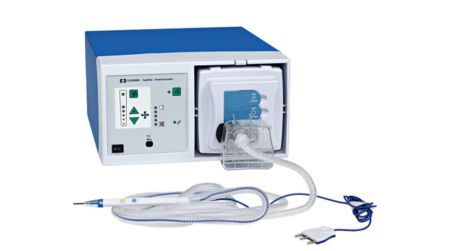
To address these risks, Medtronic has focused on developing solutions that integrate into existing surgical workflows. Sugerman pointed to systems such as RapidVac™, which use ULPA filtration capable of capturing greater than 99.99% of smoke particles as small as 0.12 µm.
Beyond staff safety, surgical smoke also presents challenges inside the operating room that can affect performance. “A surgeon’s ability to see what they’re doing during a procedure is critical, so anything we can do to improve their view of the surgical field is worth it,” Sugerman said.
Smoke can obscure visualization and reduce procedural efficiency, particularly in minimally invasive environments. Sugerman said devices like the Valleylab™ SM smoke management pencil are designed to mitigate that impact, removing 99% of surgical plume in testing conditions. Improved visibility, she noted, is one factor contributing to the broader shift toward advanced surgical modalities, including robotic-assisted procedures.
Continue Reading in the latest issue of Repertoire Magazine.