Delivering better post-acute outcomes through coordinated, compassionate patient care models.
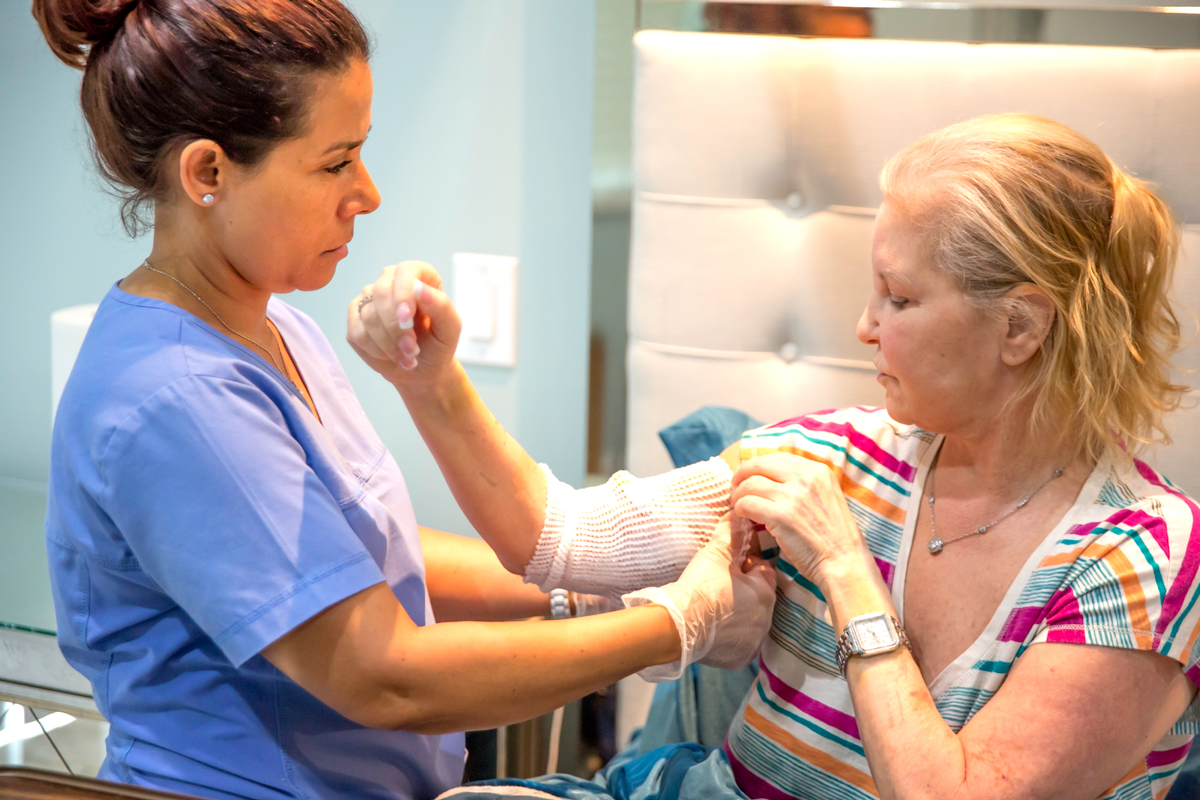
In the shift to a value-based healthcare system, post-acute healthcare providers have increasingly prioritized care delivery that is centered around the goals and needs of each patient.
As a growing number of health systems have started to focus on patient experience, hospitals and healthcare facilities are actively transforming how they engage with patients. According to the Centers for Medicare and Medicaid (CMS), person-centered care includes integrated health care services delivered with an understanding of each patient’s needs, in a system that supports provider–patient communication and empowers the individual receiving care.
“Patient-centered care in post-acute settings emphasizes individualized treatment that respects each patient’s values, preferences, and goals,” said Corey Egel, director of public affairs for the California Association of Health Facilities (CAHF). CAHF is the largest provider of continuing education for long-term care professionals in the state of California, facilitating continuous quality improvement for healthcare providers.
Healthcare systems and organizations across the U.S. are striving to improve the quality of long-term care by increasing the availability of the nursing workforce, translating evidence-based long-term care into practice, and aligning care with person-centered care values.
Successful patient-centered care models in post-acute environments, according to a National Institute of Health (NIH) study, allows both patients and their family members to be full partners in care, determining when and how care is provided.
“The core components of successful patient-centered care models, in long-term care, require flexibility, strong listening, and ongoing communication to respond to current and evolving patient preferences,” said Egel.
Transitioning to patient-centered care
In the U.S., long-term care nursing homes (NH) have started to experience what is known as a ‘culture change movement,’ which aims to transform NHs from institutionalized, medical models of care to home-like, person-centered settings where residents direct their own care and residents’ families are actively engaged in assessing residents’ needs and planning care, according to the NIH.
Emerging research from the NIH shows the potential for culture change to advance patient care quality, with an estimated 85% of U.S. nursing homes currently engaged in culture change.
For physicians to begin integrating patient preferences into care planning in post-acute care settings, they must engage patients in decision-making on treatment, understand their desired outcomes, and tailor medical care to each patient’s individualized needs.
“One of the main challenges when shifting from traditional care models to patient-centered ones is the time necessary to invest in the interactions and conversations that elicit the preferences of the patient,” said Egel. “Additionally, clinicians must develop their skills to get a patient to properly verbalize or disclose their preferences.”
When communicating with patients, physicians focused on patient-centered care interactions should use appropriate language that supports a patient-centered approach and ensure that they check with each member of the patient’s care team about processes and healthcare goals.
“Getting physicians to foster collaboration among care teams (nurses, therapists, social workers, etc.) to support a patient-centered approach includes a review of the preferences by the care team, asking questions, and documenting current choices,” said Egel. “As care is provided, the physician needs to continue conversations with the patient to ensure preferences have not changed, and that any updates are properly documented by the care team.”
Integrating patient preference in care decisions has been shown to increase smooth transitions from one level of care to another, according to the National Transitions of Care Coalition (NTCC). The NTCC recognizes that patient and family engagement, along with education and counseling for patients and families, enhances patients’ active participation in their own care and promotes informed decision making and communication; two of the key elements for a safe and seamless care transitions between types of care.
Technology and advancing patient care
A patient’s caregivers and family members must also be actively engaged with physicians and the care team in order to facilitate and communicate patient needs.
“The role of the caregiver and family is to speak openly during conversations with their loved one, so they understand care preferences and have a realistic outlook of care needs,” said Egel. “This will require the caregiver and family to assist their loved one with verbalizing their preferences across multiple stages/levels of care.”
Once a patient’s care preferences are determined, with the help of all participants, patients’ needs can be shared among all their different care providers across the electronic health record (EHR).
The adoption of technologies such as the EHR, telehealth and artificial intelligence (AI) have helped ensure continuous and personalized, patient-centered care for patients and the ability for providers to track patient progress in real time and adjust care plans, facilitating a more responsive approach to patients’ post-acute care treatment.
“As technology advances, several innovations are emerging in the sector focusing on patient-centered care,” said Egel. “This includes companion robots, both mobile and bedside, technology that allows for making daily activity decisions from the bedside (such as food preferences) to activity participation, and tablet and wearable technology that feeds information to care providers to monitor, make decisions and communicate with the patient, allowing more autonomy in their daily routines.”
Technology advancements like these have and will continue to pave the way toward a patient-centered care focus within the post-acute sector, promoting patient autonomy, supporting personalized care, assisting with provider-patient communication and allowing for real-time patient health monitoring.