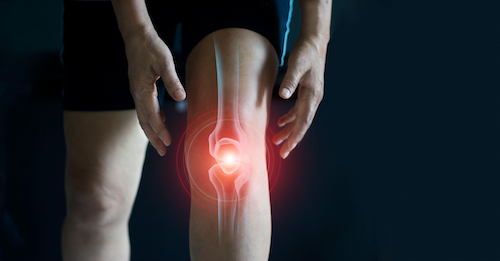
November 21, 2022 – Joaquin Sanchez-Sotelo, M.D., Ph.D., a Mayo Clinic orthopedic surgeon, says many people lose cartilage as they age, but it does not mean that joint replacement is inevitable. In a blog post, he offered some tips for managing arthritic pain:
- Modify your activities. “If you have an arthritic hip or knee, instead of running – which results in the pounding of the joints – maybe you can try bicycling.” · Take the load off the joints with gait aids. “Using a cane can help lighten the load on your hip, knee and ankle joints, and decrease the pain. A knee brace – worn outside the clothes – shifts the load to the healthier side of the knee joint.”
- If the pain persists, you may want to consider over-the-counter medications, like acetaminophen and ibuprofen. “However, be aware of the side effects, such as ulcers, kidney or heart issues. In general, narcotics should not be used for osteoarthritis.”
- If the pain continues, you also may consider injections with medications, such as cortisone or toradol, which, when injected into the joint, can help relieve pain. “Again, these medications have side effects, so be sure to speak with your health care professional.”
- Hyaluronic acid, which also is injected, uses components similar to those of the joint lubricating fluid to try to replenish it. “It has been more successful with the knee joint than hip and shoulder joints.”
- Some injections, marketed as regenerative medicine, include stem cells and platelet-rich plasma. “At this point, many consider their use as experimental since there is no firm evidence about their efficacy.”