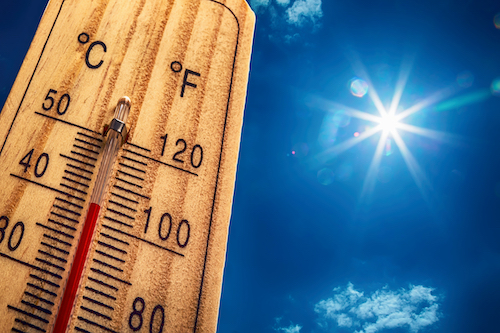
April 25, 2023 – Summer’s almost here. That’s good news, especially for those Up North. But too much heat can be too much of a good thing.
Global temperatures and the frequency and intensity of heatwaves will rise in the 21st century, says the World Health Organization. Debating the cause of rising temperatures may be a job for politicians, but addressing the health implications will fall to hospital emergency departments, public health authorities, community health centers and primary care physicians.
Heatwaves can acutely affect large populations for short periods of time, often triggering public health emergencies, excess mortality and cascading socioeconomic impacts, including lost work capacity and labor productivity, says WHO. But extreme heat has a long-term impact on health as well. Extended periods of high temperatures create cumulative physiological stress on the human body, exacerbating the top causes of death, including respiratory and cardiovascular diseases, diabetes and renal disease.
“We need to start with ensuring that we appreciate that temperatures not typically thought of as hot may pose real risks to health,” says Aaron Bernstein, M.D., interim director of The Center for Climate, Health, and the Global Environment at Harvard T.H. Chan School of Public Health (Harvard Chan C-CHANGE) and a pediatrician at Boston Children’s Hospital. “We need to be able to identify those patients who may be most at risk, and we need to start taking action before heat sets in. That’s why we’ve created resources to help providers make plans in advance for hot weather. With plans in place, which include where to go to stay cool, patients stand a better chance of staying safe. When warm temperatures are forecast, clinics can make outreach to patients at risk to remind them to follow their plans.”
Read more in the latest issue of Repertoire Magazine.