Sponsored – Health o meter® Professional Scales
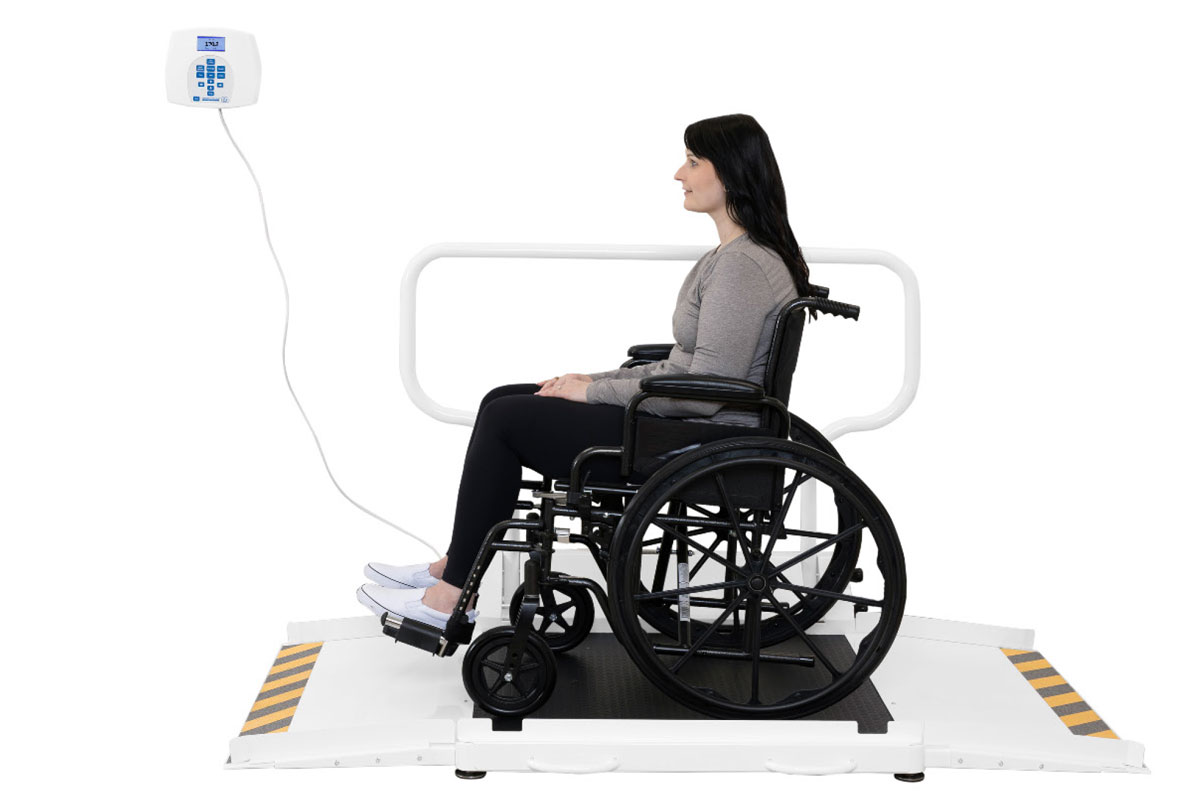
New ADA requirements for accessible exam equipment are prompting healthcare organizations to take a closer look at their scales and other equipment. But according to Jason Fillipp, Sr. Director of Global Sales at Pelstar LLC (maker of Health o meter® Professional Scales), the conversation doesn’t have to stop with compliance.
In a recent Repertoire podcast episode, he explained how the requirements can open the door to a broader discussion about equipment standardization, workflow and long-term strategy.
“The challenge wasn’t simply, ‘How quickly can we get an ADA solution to the market?’” Fillipp says. “It was really, ‘How do we meet this need quickly while still delivering the kind of product and experience Health o meter® Professional Scales customers expect?’”
That approach starts with understanding the customer’s environment. A large hospital, outpatient clinic and physician office can have very different equipment, workflows, space limitations and budgets. Rather than recommending a single solution, Fillipp says reps should take a consultative approach by first asking customers what they already have.
“We’re going to review their existing inventory, compare it against those MDE specifications, identify the gaps, and then work with them on the available options,” he says.
That assessment can uncover opportunities that extend well beyond ADA compliance. Health systems may have equipment from numerous manufacturers, hundreds of SKUs and different calibration and service requirements across facilities. In those situations, an accessibility assessment can become the starting point for a larger standardization conversation.
“When we talk about standardization, we’re really talking about reducing complexity across the entire lifecycle of a piece of equipment,” Fillipp says, “from purchasing and using it all the way to maintaining it on the back end.”
Fillipp points to one large Midwestern health system that had scales from 18 different manufacturers and more than 200 SKUs. Through a standardization strategy, the system reduced that to one manufacturer and 11 SKUs that covered about 99% of its scale use. The result was not only financial savings, but greater consistency in purchasing, training, calibration and maintenance.
For reps, Fillipp says the first step is simple: understand what the customer has. “What equipment do you have? Where is it located? What type of patients does the location serve? How does that equipment compare to the current accessibility requirements? Where are the gaps?”
With that information in hand, customers can develop a strategy rather than simply reacting to compliance requirements and potentially over-purchasing equipment.