The new 8,300-square-foot facility brings clinicians, suppliers and technology together under one roof to advance the future of integrated care.
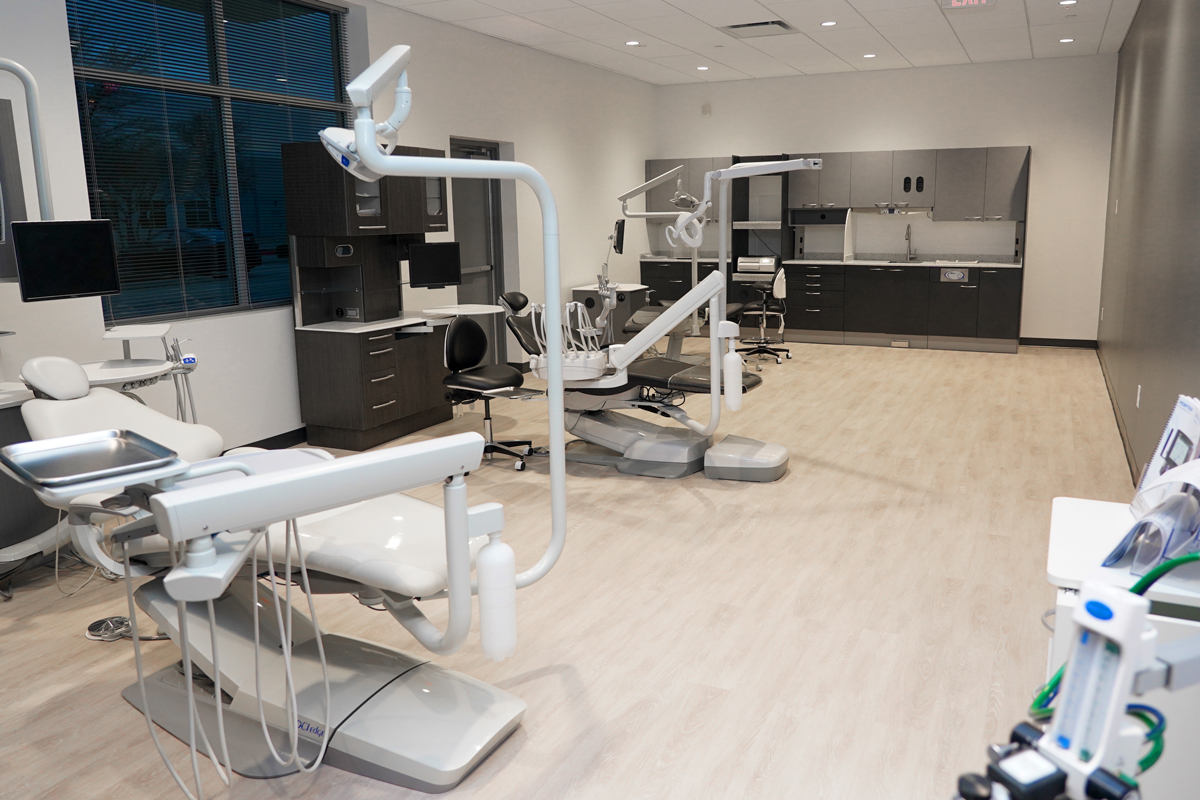
Henry Schein recently opened a new training and innovation facility in Texas designed to bring medical and dental professionals together to explore integrated approaches to care.
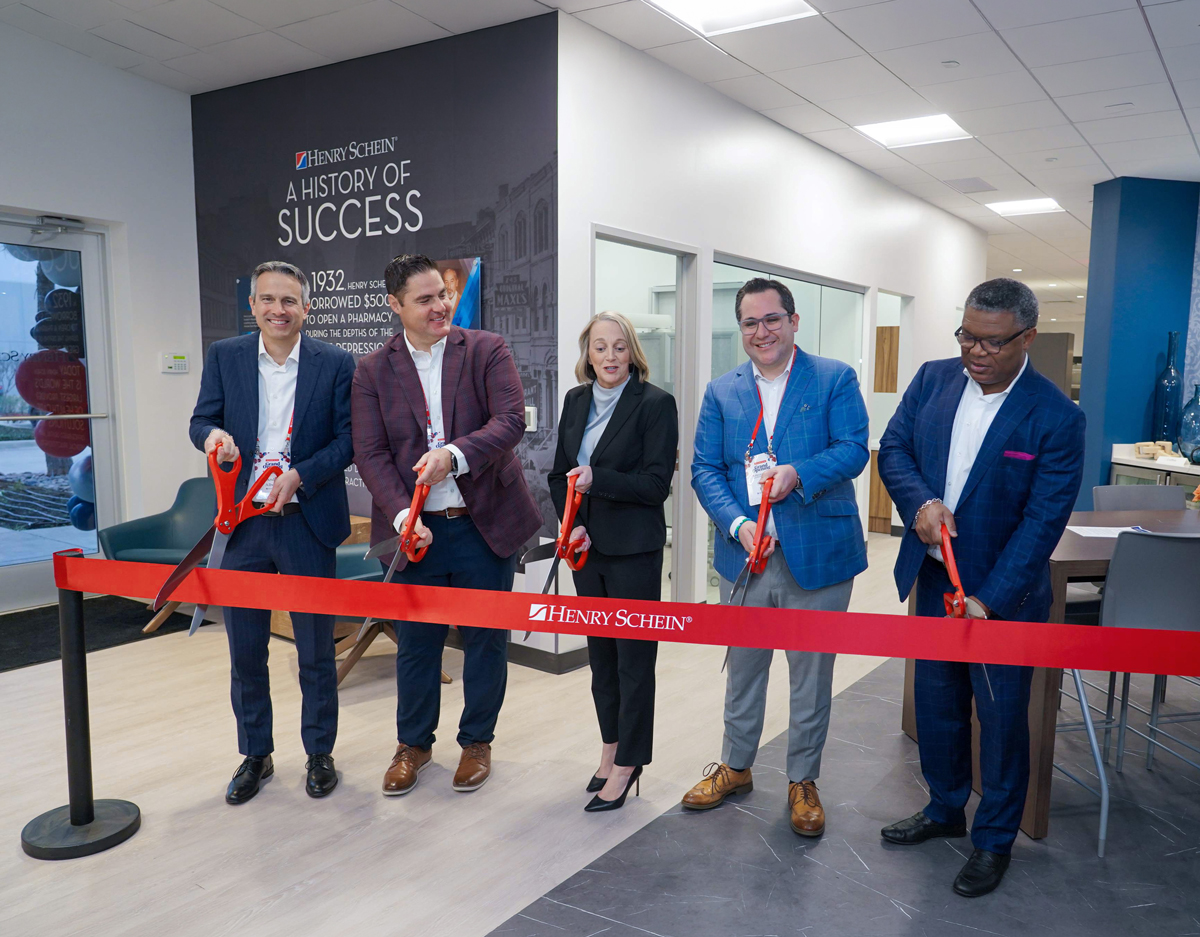
On March 4, 2026, the company formally unveiled the Dallas Discovery Center (DDC), an 8,300-square-foot facility in Southlake that serves as a collaborative space for education, product demonstrations and hands-on learning. The center is the company’s first training facility that combines both dental and medical disciplines under one roof.
According to the company, the goal is to give clinicians, supplier partners and Team Schein Members a place to explore new technologies and workflows while strengthening connections between oral health and overall health, with a focus on holistic, integrated care approaches to prevention and wellness.
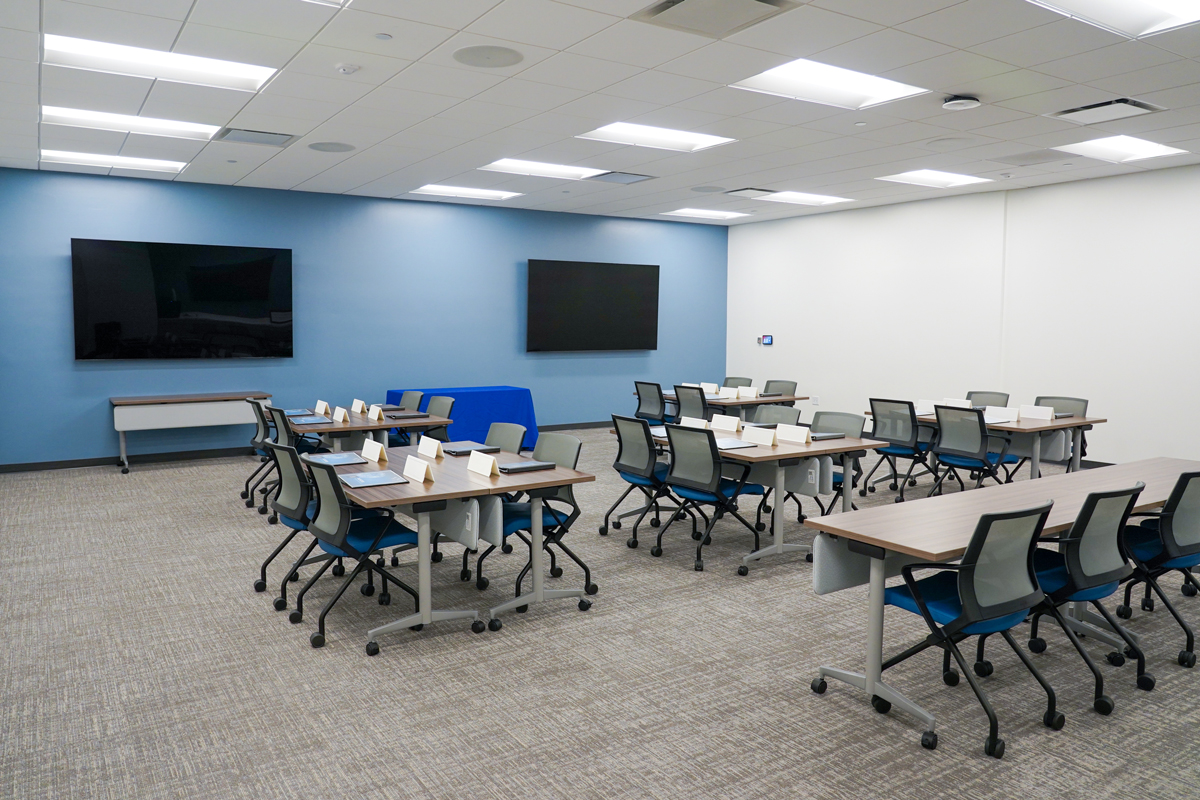
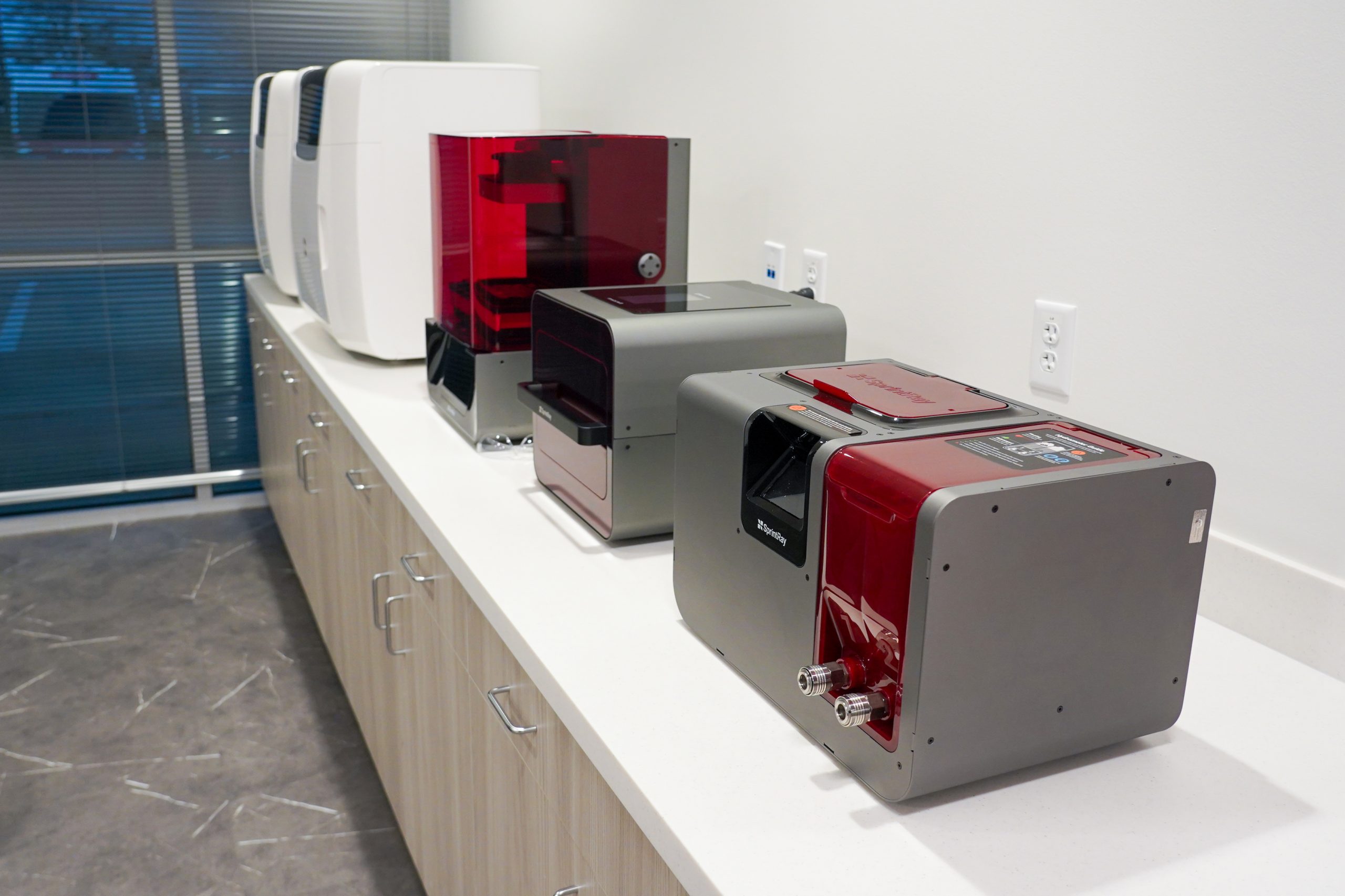
Located near the company’s Southwest Distribution Center, the facility includes demonstration areas such as a fully equipped exam room, experience laboratories, a simulated ambulatory surgery center environment and a dental equipment showroom. The space also features immersive learning areas where clinicians and sales professionals can gain hands-on experience using emerging technologies and clinical solutions.
“Our goal with the Dallas Discovery Center is to create a collaborative space where clinicians, supplier partners, and our Team Schein Members can learn from one another and see what’s possible in health care,” said Ty Ford, Vice President and General Manager of U.S. Medical Sales at Henry Schein. “By bringing medical and dental training together, we’re helping build a more integrated, patient-centric future.”
Holistic, systemic approach to healthcare
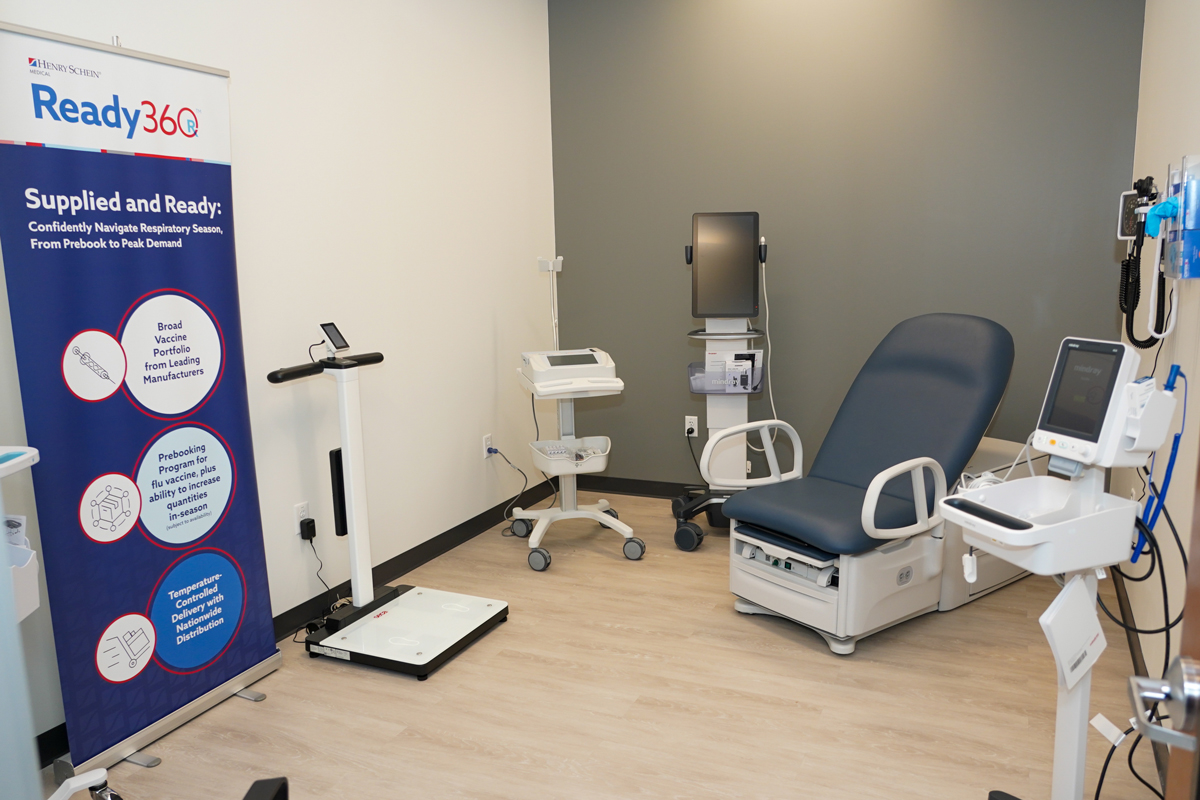
For Henry Schein, the Dallas Discovery Center is more than a training facility – it’s a tangible expression of the company’s long-standing commitment to advancing integrated care models, rooted in the philosophy that oral health and overall health are deeply interconnected.
“We have long advocated for a holistic, systemic approach to healthcare, with a focus on prevention and wellness that incorporates medical, dental and mental health. It’s a win-win-win, where patients are healthier, families are stronger, and society bears less cost,” said David Kochman, SVP and Chief Corporate Affairs Officer.
When planning the center, Kristen Meszaros, Director of Training and Development, said the team focused on creating a hands-on learning environment that was “different from a simple showroom.” She noted, “While we operate training and education facilities across North America and globally, this is our first combined dental and medical training center. We really wanted this facility to represent the next evolution of how we educate, engage and collaborate with our teams and customers.”
The Dallas Discovery Center was intentionally designed with no silos, allowing visitors to “get a firsthand look at the products powering integrated healthcare as a whole, not separated by dentistry and medicine.”
The facility features state-of-the-art dental and medical equipment, digital imaging and diagnostics, practice management and clinical software, operatories, exam rooms, and lab environments. “It offers healthcare professionals the opportunity to see new solutions in action, our suppliers the ability to showcase their products, and our Team Schein Members the chance to learn about the latest technologies,” Meszaros said.
The dental chair as a diagnostic hub
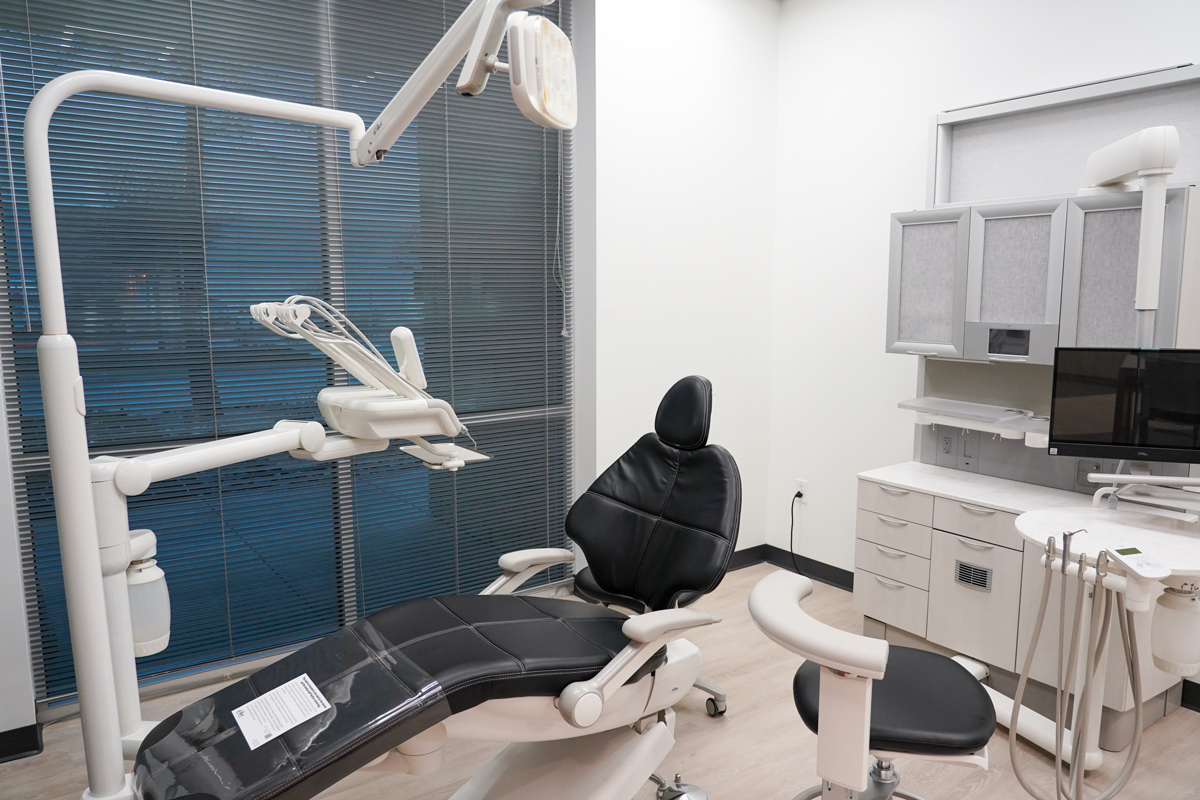
Dental professionals can play a significant role in identifying early indicators of broader health issues. “The mouth is a window into the body, and many systemic diseases can be identified within the oral cavity before any other physical symptoms. Routine dental hygiene visits combined with systemic wellness screenings and care gap coordination offer a meaningful opportunity to help address many issues before they become acute (and expensive) to treat,” Kochman explained.
He highlighted the growing evidence linking oral health to systemic conditions: “Poor oral health is linked to systemic health issues and many non-communicable diseases such as diabetes, heart disease and stroke, pregnancy complications, dementia and Alzheimer’s, and more. For example, increasing evidence shows that gum disease and related inflammation are associated with increased risk of cardiovascular events, including heart attack, atrial fibrillation, heart failure and cardiometabolic health conditions.”
Dentists can now act as a first line of defense to assess cardiovascular health: “We know that approximately 30 million Americans visit the dentist annually but do not see a primary care physician. It is also standard of care for dentists to screen for high blood pressure as part of the standard patient hygiene check-up, and because patients are physically present for hygiene visits, and dental teams are proficient in using basic point-of-care testing technology, the dental chair is well-suited for use as a diagnostic hub for chairside testing. In this model, we transform the hygiene visit into a gateway for understanding a patient’s overall health and, in so doing, improve patient health outcomes. The Dallas Discovery Center is one investment we are making to support this philosophy.”
Breaking down the medical-dental divide
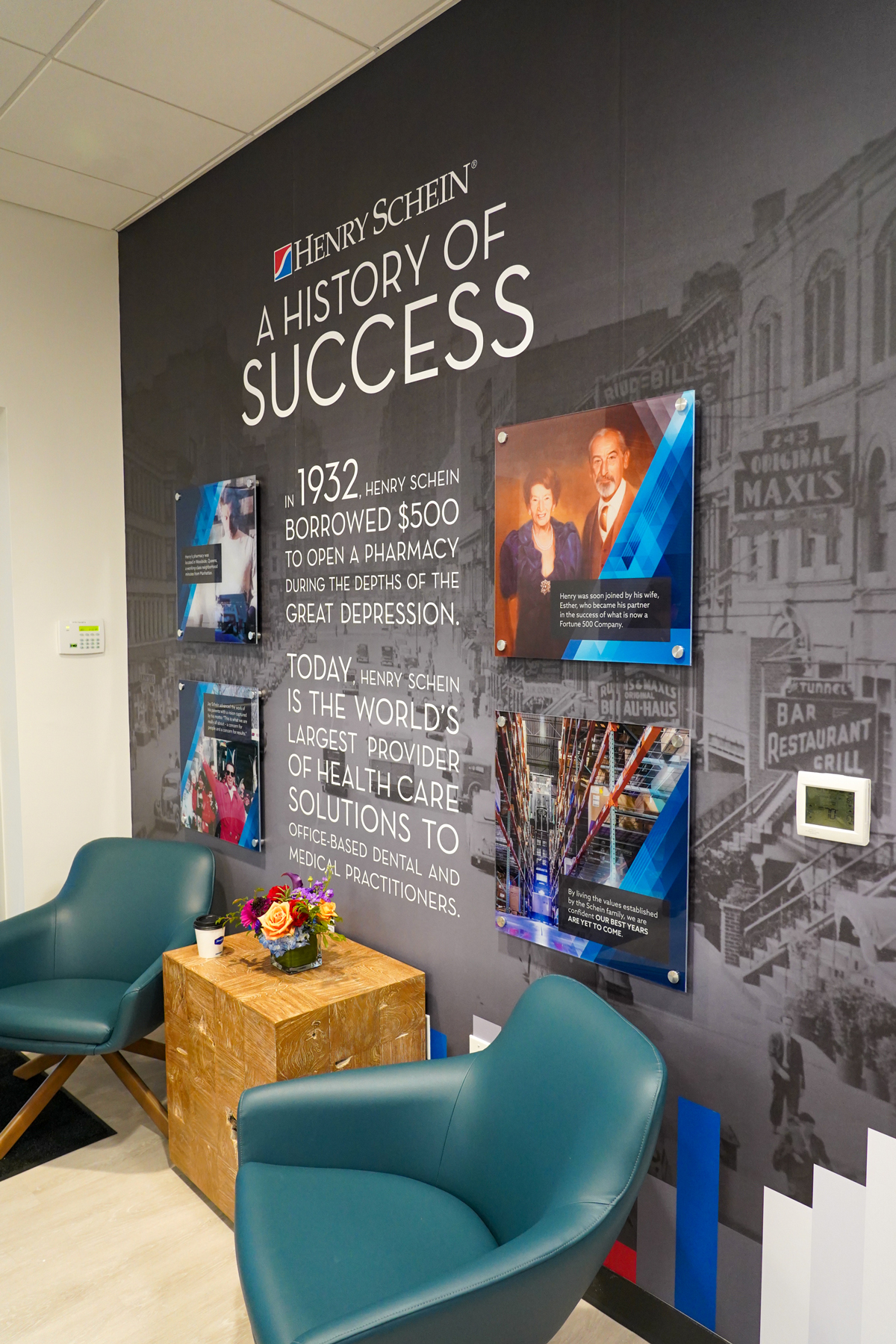
Henry Schein is using education and technology to help dismantle the traditional silos between dental and medical care. “Integrated care, prevention and wellness increasingly happen in office-based settings – and oral health is a key part of that story. Henry Schein is in a unique position to help break down dental/medical silos because we operate across both dental and medical markets, and through Henry Schein One we build the practice platforms that sit inside the clinical workflow every day,” Kochman said.
When it comes to interoperability, he noted: the biggest barrier has historically been siloed data systems and the lack of consistent, standards-based ways for dental systems and medical EHRs to exchange meaningful clinical data.
Henry Schein addresses this in two complementary ways:
Technology that enables secure, standards-based exchange (where health systems support it). “Through enterprise-grade platforms like Dentrix Ascend, Dentrix, and axiUm, we support open, integration-ready architectures that make it easier to connect with major EHR ecosystems,” said Dr. Ryan Hungate, Henry Schein One’s Chief Strategy Officer. The goal isn’t ‘more data,’ it’s the right data in the right place – so dental teams can reference medically relevant items (e.g., medications, allergies, problem lists, relevant diagnoses), and medical teams can receive structured, clinically useful dental information when it impacts systemic risk and care decisions.
Building toward shared, structured data models – not just documents. True integration requires more than PDFs and free text. “We’re focused on standardizing dental data capture and exchange (e.g., mapping key dental findings into discrete, shareable fields) so information can be used for care coordination, risk identification, quality programs and longitudinal prevention – not just ‘read-only’ viewing.” Notably, Dentrix Ascend now includes fields for clinicians to record select diabetes markers and other vitals data informing the patient’s overall health, and makes this information available to medical providers.
Kochman emphasized the importance of partnerships and education: “We work with professional associations, public health organizations, and academic partners to align on standards and practical use cases,” he said.
For example, Henry Schein’s collaboration with the FDI World Dental Federation and OHIA (Oral Health Interoperability Alliance) group supports the broader push to make medical-dental integration a scalable, repeatable standard of care – not a one-off integration project. Henry Schein is also partnered with the CareQuest Institute for Oral Health and a select consortium of private practice clinics, universities, and federally qualified health centers to pilot integrated care workflows for eventual deployment to the wider oral health community.
Finally, the company supports the clinical reality that integration includes diagnostics and prevention. “Because Henry Schein has deep industry connections within both the dental and medical channels, we can help practices adopt chairside screening and diagnostic workflows (as clinically appropriate), and ensure the resulting information is documented and shared in a way that fits into coordinated care,” Kochman said. “We’re moving integration from a concept to a workflow – connecting systems where possible, standardizing the data that matters, and making it usable for clinicians so earlier intervention and better whole-person outcomes become the default.”
Preparing practitioners for the next decade
Hands-on training is essential to bridging education gaps, according to Kristen Meszaros. “In general, there are several gaps that exist around oral-systemic health. One is that currently, practitioners are educated in isolated silos,” she said.
By giving dentists, for example, the ability to experience medical technology in-person, this allows for a hands-on experience they may not have otherwise. At the HLTH conference in 2024 and 2025, CareQuest, Henry Schein, and PDS Health hosted an Oral Health Pavilion that included a visualization of a holistic hygiene exam, including saliva testing, blood pressure monitoring, A1C testing and simulations. “This was an immersive experience to further medical-dental integration and chart pathways forward for comprehensive care models.”
Looking ahead, Kochman and Meszaros see oral health becoming an even more central component of prevention and wellness.
“The DDC is one of the many ways that we can help to bridge the gap between oral and systemic health – bringing dental and medical technologies of the future under one roof to help healthcare professionals elevate patient care,” Meszaros said.
Kochman added: “Ultimately, we believe the future dental model will incorporate a wider array of prevention and wellness screening coupled with care coordination to medical counterparts.”
To achieve this, the industry and profession must collaborate to foster innovation and enable a holistic approach to health care. The profession cannot do this alone; it must be a concerted effort by multiple stakeholders.
“By actively engaging with the industry and embracing cutting-edge technologies and pilot partnerships, we can finally put the mouth back into the body,” Kochman said.