The consumer electronics retailer has found success in healthcare partnerships.
By Daniel Beaird
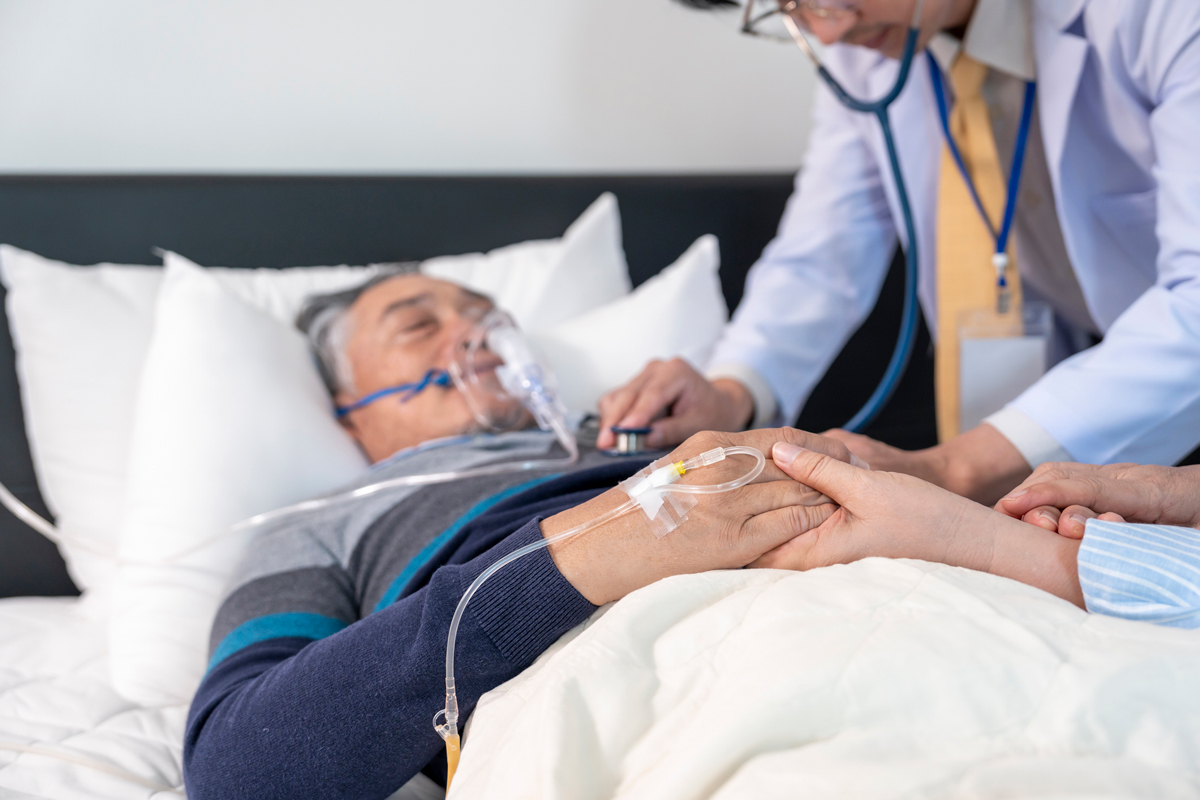
Best Buy Health and Mass General Brigham first collaborated in November 2023 to support a new model of healthcare delivery – Mass General Brigham’s Home Hospital, one of the largest acute home-based care models in the country. Research shows hospital-at-home programs have been successful.
A 2024 study assessed the outcomes of nearly 6,000 Americans nationwide who received care for a serious medical condition in their home instead of at a hospital. The findings validated the safety and effectiveness of receiving acute care at home. Less than 1% of patients died and fewer than 7% had their care escalated into a 24-hour hospital stay, according to Mass General Brigham.
Home hospitals admit patients for an acute condition that traditionally requires a bed in either the ICU or a hospital ward. Those that enter the Mass General Brigham Home Hospital receive visits from a nurse or paramedic at least twice a day, continuous monitoring of vital signs, diagnostic testing when needed, access to therapeutics traditionally provided in a hospital, and 24-hour access to members of a care team for questions or concerns at the touch of a button from a tablet.
Current Health, Best Buy Health’s care at home platform, connects patients to nurses, paramedics and advanced practitioners, and Best Buy Health’s emergency response device called Lively Mobile Plus can detect falls and enable patients to call for help.
Model of success
Best Buy Health has found success with the hospital-at-home model when other retailers have pulled back their healthcare offerings. The Minnesota-based consumer electronics retailer relied on partnerships with health systems across the country to help push the model into new healthcare services and products.
Partnerships with Mass General Brigham, OSF Healthcare, Geisinger, Mount Sinai Health System and NYU Langone Health all stemmed from Best Buy’s $400 million acquisition of remote patient monitoring company Current Health in 2021. Its partnership with Charlotte, N.C.-based Atrium Health (now Advocate Health) connects it to one of the largest health systems in the country after Atrium established its hospital-at-home program during the COVID-19 pandemic.
These health systems connected with Best Buy Health to use the retailer’s technology for in-home care to help lessen emergency room visits, treat chronic conditions and remotely monitor patients. Its Current Health platform enables deep insights into patient health and supports provider experiences through continuous and intermittent monitoring.
It can provide real-time remote patient monitoring and care coordination using its clinical dashboard integrated with a health system’s EHR where providers receive alerts based on customizable parameters for common care scenarios and individual patient requirements. Its configurable clinical escalation pathways can help mitigate risk and reduce readmissions.
Expansion and benefits
The Centers for Medicare and Medicaid Services (CMS) passed the Acute Hospital Care at Home (AHCAH) waiver in November 2020 due to the sudden demand for hospital beds during the COVID-19 pandemic. It allowed certain hospitals to treat patients with an inpatient level of care in their homes if those hospitals’ offerings met certain federally required parameters. The waiver suspended the requirement of a 24/7 on-site availability of a registered nurse and allowed hospitals to deliver care remotely.
CMS requires participating hospitals to report safety and care outcomes of home patients, and Mass General Brigham researchers found compelling evidence for the success of the model nationwide. Many patients reported a better experience at home due to reduced risk of infections, more independence, social determinants of health and discharge procedures.
Caregivers benefited too because hospital-at-home programs lighten their load. Health aides help patients go to the bathroom, bathe and eat so that job doesn’t go to a spouse, parent or child.
The AHCaH waiver has been extended multiple times and most recently through a continuing resolution passed by Congress, extending the program through Sept. 30, 2025.
Eligibility
Federal requirements direct patients to visit a brick-and-mortar hospital for evaluation before hospitalization at home. Evaluations can occur in emergency departments or for patients with planned surgeries or procedures.
The most common acute conditions for Mass General Brigham Home Hospital include:
- Respiratory including COPD, asthma, influenza, pneumonia and COVID-19.
- Cardiac, including heart failure, atrial fibrillation and hypertensive urgency.
- Endocrine, including severe hyperglycemia.
- Infections, including cellulitis, complicated urinary tract infections and other infections.
- Gastrointestinal, including inflammatory bowel disease flare ups, diverticulitis and pancreatitis.
- Bladder and kidneys, including chronic kidney disease and too little cortisol produced by the kidneys.
- Liver, including acute hepatitis and cirrhosis.
Patients must consent before joining the program. They can also request to return to a traditional hospital at any time. Mass General Brigham wants to move one of every 10 patients receiving inpatient care into a home-based environment.
This goal requires expanding its Home Hospital even further.
Advancing technology
To accomplish that goal, Mass General Brigham and Best Buy Health are developing a care orchestration platform set to go live in one of Mass General Brigham’s regions this spring with another region to go live this summer.
An app to coordinate logistics between technology, medical supplies and staffing can help drive hospital-at-home programs to deliver inpatient levels of treatment. If these logistics can be unified, the hospital-at-home model could be set to really take off.
Current Best Buy Health stats
- A 6.9% 30-day readmission rate at NYU Langone.
- $2.3 million in cost savings in its first year with the U.S. Military Health System.
- 5,000 bed days saved at Wrightington, Wigan Leigh NHS Foundation Trust in the U.K.