
For these med/surg professionals, the values learned in military service continue to guide their leadership, relationships and commitment to the mission.
In healthcare distribution, success often depends on staying calm under pressure, leading with purpose and remaining committed to the mission no matter the obstacles. For many professionals across the med/surg industry, those qualities were forged long before they entered healthcare — during their service in the United States military.
In this special July feature, Repertoire Magazine highlights veterans whose military experiences continue to shape the way they lead, problem-solve and serve customers throughout the healthcare supply chain. From navigating complex procurement environments to supporting clinicians in high-stakes settings, these professionals bring a mission-driven mindset rooted in discipline, accountability and teamwork.
While their roles today may look different from those they held in uniform, the core principles remain the same: put the mission first, adapt under pressure and never lose sight of the people depending on you. Their stories reflect not only the lasting impact of military service, but also the critical role veterans continue to play in strengthening healthcare delivery across the country.
Veterans Elevating Healthcare
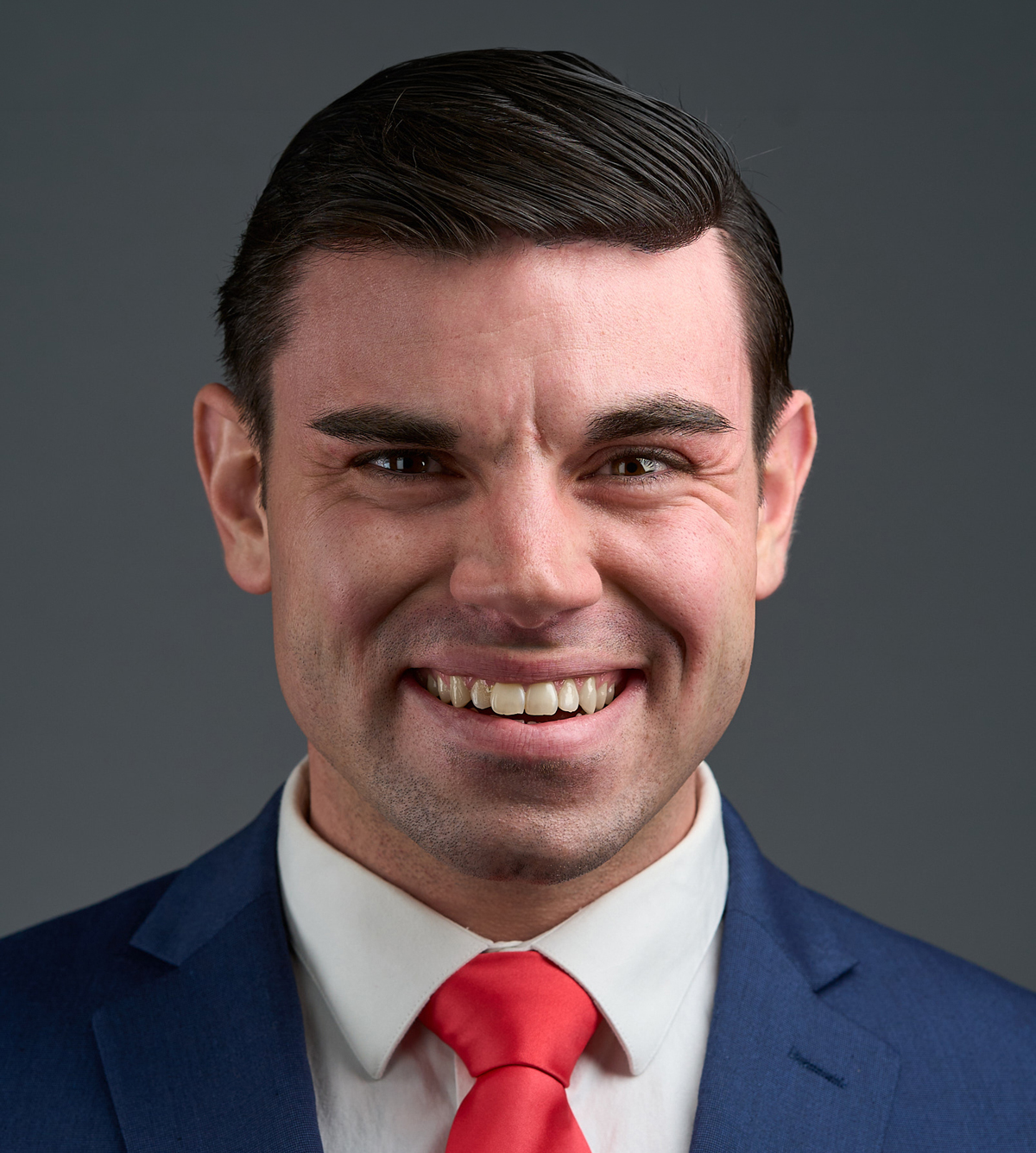
Connor Jones believes veterans bring resilience, adaptability and leadership to healthcare sales — and that companies willing to invest in them gain a long-term advantage
Connor Jones spent almost 10 years in the United States Army, starting out as an artillery officer before eventually becoming a Green Beret and serving as a Special Forces Officer. Now, he works at Abbott as a Sales Development Manager, leveraging his complex and high-pressure experiences in the Army to serve the healthcare industry.
Repertoire Magazine spoke to Jones about his time serving in the United States Army, his current role at Abbott, and how his military experience informs his leadership approach today.
Leveraging the military experience
For Jones, the opportunity to be something bigger than himself, as well as the opportunities to travel the world and jump out of airplanes at 20,000 feet in the dark, proved to be what ultimately drew him to military life. “The military offered a rare combination of purpose, intensity and experiences few professions can match, and that balance ultimately made the decision an easy one.”
Even in his current role at Abbott, he can see reflections of his military career everywhere. He said, “Pre-call planning mirrors pre-mission briefings. Territory and account analysis reflect terrain assessments. Deal reviews and pipeline management align with post-mission debriefs. Even routine readiness checks have parallels in ensuring customers, partners, and internal teams are aligned before moving forward. The terminology may be different, but the habits, discipline, and accountability required for mission success remain the same.”
Those lessons still play a significant role today. During his deployment in Iraq, he worked closely with someone from Iraqi military who was frustrated with the limited resources that were available for the mission. This was due to the decisions made by a previous U.S. rotation, meaning that it was ouside of Jones’ control. However, he saw this as an opportunity to listen and understand the concerns of this person, ultimately looking to create a solution to a problem that was not really his responsibility.
“That experience reinforced the importance of ownership. The same principle carries into my current role. Customers do not interact solely with ‘Connor’; they engage with an Abbott representative. Taking responsibility, listening closely to uncover pain points, and collaborating toward solutions, especially when challenges originate beyond my control.”
Informed decision-making

When it comes to high-pressure environments, there’s nothing that Jones deals with today that carries the same weight as his time in the military. He served on a freefall team, where high-speed malfunctions are an occupational hazard. “My instructor used to joke, ‘Calm down. You have your entire life to figure it out.’ That might be a few seconds, or a few decades. The difference comes down to staying calm, processing information, and executing the correct action without panic.”
Jones says that experience reset his perspective on pressure. While some days might be harder than others, maintaining and regulating emotions, focusing on the facts, and executing action items deliberately allows him to make effective decisions under pressure.
“Every effort I make serves my family,” Jones said. “Regardless of how challenging a day becomes, whether a deal falls through or a key account disappears, those concerns fade the instant I walk through the door and see my two-year-old daughter running toward me. That moment defines what matters most.”
When it comes to solving his customer’s challenges, he always starts with listening. He understands that most of their challenges come from the constantly changing nature of the healthcare industry. They are often inundated with new technology, platforms, competitors, and clinical solutions that are constantly entering the market. At the same time, reimbursement models and regulatory pressures are also in a state of perpetual evolution.
It’s a lot to keep track of, and Jones tries to serve as a sort of voice of reason amid the chaos. He wants to understand the pain points, concerns and objectives of the people he is working with.
“From there, I help identify practical, relevant solutions, even when those solutions fall outside my direct involvement. In many cases, the greatest value comes from connecting customers with the right resource or expert. A focus on trust, relevance, and consistent added value drives the strongest and longest-lasting partnerships,” he said.
Veterans in healthcare
Jones believes that military veterans can be an excellent fit for healthcare sales. “Military service develops individuals who are trained to rapidly absorb information, make sound decisions in ambiguous and high-pressure environments, and execute with discipline. In the military, mission failure is not an acceptable outcome.”
When armed with some quick product knowledge and systems training that a thoughtful and in-depth onboarding process can provide, they can become a valuable asset to any organization.
Jones said, “Hiring a veteran is a long-term strategic play. The missed opportunity occurs when organizations overlook these high caliber professionals because their resumes don’t fit a traditional or idealized template. When given the opportunity, veterans do not just adapt to healthcare – they help elevate it.”
Army Ethos principles
Jones has found that the Army Ethos principles have followed him into his civilian life. “Always place the mission first. Never accept defeat. Never quit. Never leave a fallen comrade. Those are not slogans to me; they are deeply ingrained standards that define how I show up every day. I still operate through the same planning and execution frameworks I learned in uniform.”
Serving Those Who Served
Inspired by family and service, MedLog Solutions helps bridge the gap between medical manufacturers and federal contracting – delivering better tools for veteran care.
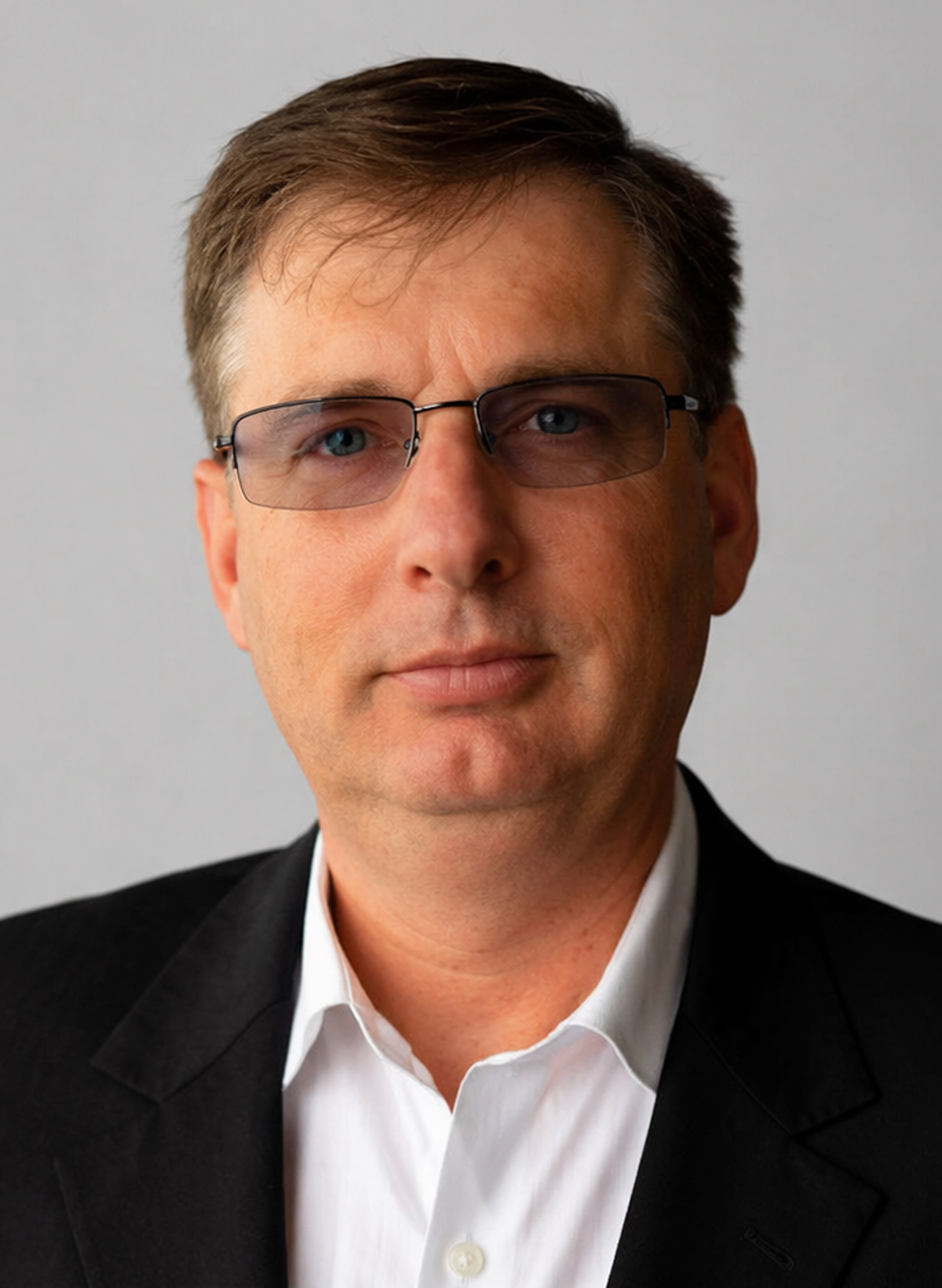
Jeff Skillicorn comes from a strong military family background – originally born in Baumholder, Germany, his father flew helicopters for the U.S. military.
“I served in Berlin, Germany, during the time when the Berlin Wall was still up. I was involved in transport and logistics operations during that period,” said Skillicorn, Owner and President of MedLog Solutions, LLC, and a U.S. Army Veteran. “It was a unique time – there was a stark contrast between East and West Berlin.”
Skillicorn said that the leadership skills he learned while serving have translated directly into his career in the healthcare distribution industry today.
When Skillicorn retired from the military, he recognized that many healthcare manufacturers did not have a pathway to get their products onto government contracts.
MedLog Solutions was created to fill the gap in the industry – helping manufacturers who otherwise wouldn’t be able to access these contracting channels on their own.
“In June, 2017, I started MedLog Solutions around the goal of helping manufactures to get their products onto government contracts – specifically Service-Disabled Veteran-Owned Small Business (SDVOSB) pathways for contracts like FSS, DAPA, GSA, as well as Indian Health Service and VA clinics,” he said.
MedLog Solutions, LLC, now delivers top-tier medical supplies and devices, catering to various healthcare needs across different sectors.
With a nationwide partnership salesforce comprising 20 highly trained professionals strategically stationed throughout the country, the company actively engages with a broad spectrum of healthcare facilities.
Deeply involved
For Skillicorn, the transition from the military into the healthcare supply chain was guided both by personal experience and professional guidance.
“One major influence for my career transition was my son, who was diagnosed with juvenile diabetes at a very young age after an illness affected his pancreas,” said Skillicorn. “Managing his condition required me to learn extensively about diabetes care – monitoring blood sugar, administering insulin and tracking data closely.”
Becoming deeply involved in understanding his son’s treatment journey sparked Skillicorn’s own interest in the medical field.
“I worked closely with my son’s endocrinologists, documenting everything. At one point, a physician even suggested I consider a career in endocrinology because of how well I understood the condition,” said Skillicorn.
“I eventually entered healthcare through roles at companies like QMED and Burdick, focusing on cardiac products,” said Skillicorn. “I became an ACLS (Advanced Cardiac Life Support) trainer, educating clinicians on proper product use and procedures such as EKGs and stress testing.”
Skillicorn said that what he enjoys most about his current career is the education component – helping end users understand products and ensuring quality solutions are delivered.
“That carries through today as we work to identify high-quality products for VA hospitals and, ultimately, for veterans,” he said. “For example, in categories like incontinence products, there’s often a tradeoff between cost and quality. While lower-cost options may seem appealing, higher-quality products can reduce overall usage and improve outcomes. That creates a better return on investment for both the facility and the patient.”
According to Skillicorn, there are a wide range of healthcare products on the market, and when submitting products for FSS or GSA contracts, contracting officers often don’t have clinical expertise.
“For this reason, it’s important to clearly demonstrate why a product may cost more and how it delivers value,” said Skillicorn. “Ultimately, pricing must be fair and reasonable for the federal government. That’s the key standard.”
From his experience, Skillicorn said that clinicians often express frustration with lower-quality alternatives and actually prefer better-performing products. “Our role at MedLog Solutions is to ensure those quality products are accessible, while still meeting fair and reasonable pricing requirements under federal contracting guidelines.”
Committed to a high standard
Skillicorn says his background in military service has undoubtedly given him a strategic edge in healthcare.
“The core values of military service – readiness, focus, discipline, consistency, and leadership – carry over directly and were instilled early,” said Skillicorn. “At MedLog Solutions our focus is on growth without compromising the experience of VA and DoD providers. As we expand our portfolio, we remain committed to delivering innovative, high-quality products while maintaining consistency, responsiveness, and reliability. Response time and consistency are critical to our success.”
In fact, Skillicorn suggests that young people consider military service for a few years before college to build discipline, accountability and focus to prepare for their career.
“Veterans are trained to follow through – whether it’s responding to emails, completing tasks or meeting commitments,” said Skillicorn. “Personally, I make it a point to respond to every email, task and phone call before ending the day. That sense of responsibility and closure is something I carry with me.”
In the next 5 to 10 years, Skillicorn said he sees MedLog Solutions continuing to build on its experience and expanding its product portfolio while strengthening its reputation as a trusted partner.
“Our focus will remain on offering high-quality products and educating end users – physicians, nurses, and staff – on the benefits of those products compared to what they may currently be using,” said Skillicorn. “Making sure those products are on contract is key, because it simplifies the purchasing process for healthcare providers.”
To Skillicorn, what stands out about being a service-disabled veteran-owned small business is the overall mission of serving healthcare providers.
“I truly value the opportunity to serve those who have served. Acting as a bridge to bring high-quality products onto VA, FSS, and GSA contracts though a SDVOSB – to help improve clinical outcomes – is extremely meaningful,” said Skillicorn. “At the end of the day, it’s about providing better products for veterans and supporting clinicians with tools that allow them to deliver better care. That’s the most rewarding part of what we do.”
Leading with Purpose
Concordance’s Sandy Gonzales channels decades of experience and a servant leadership mindset to strengthen teams and support patient care.
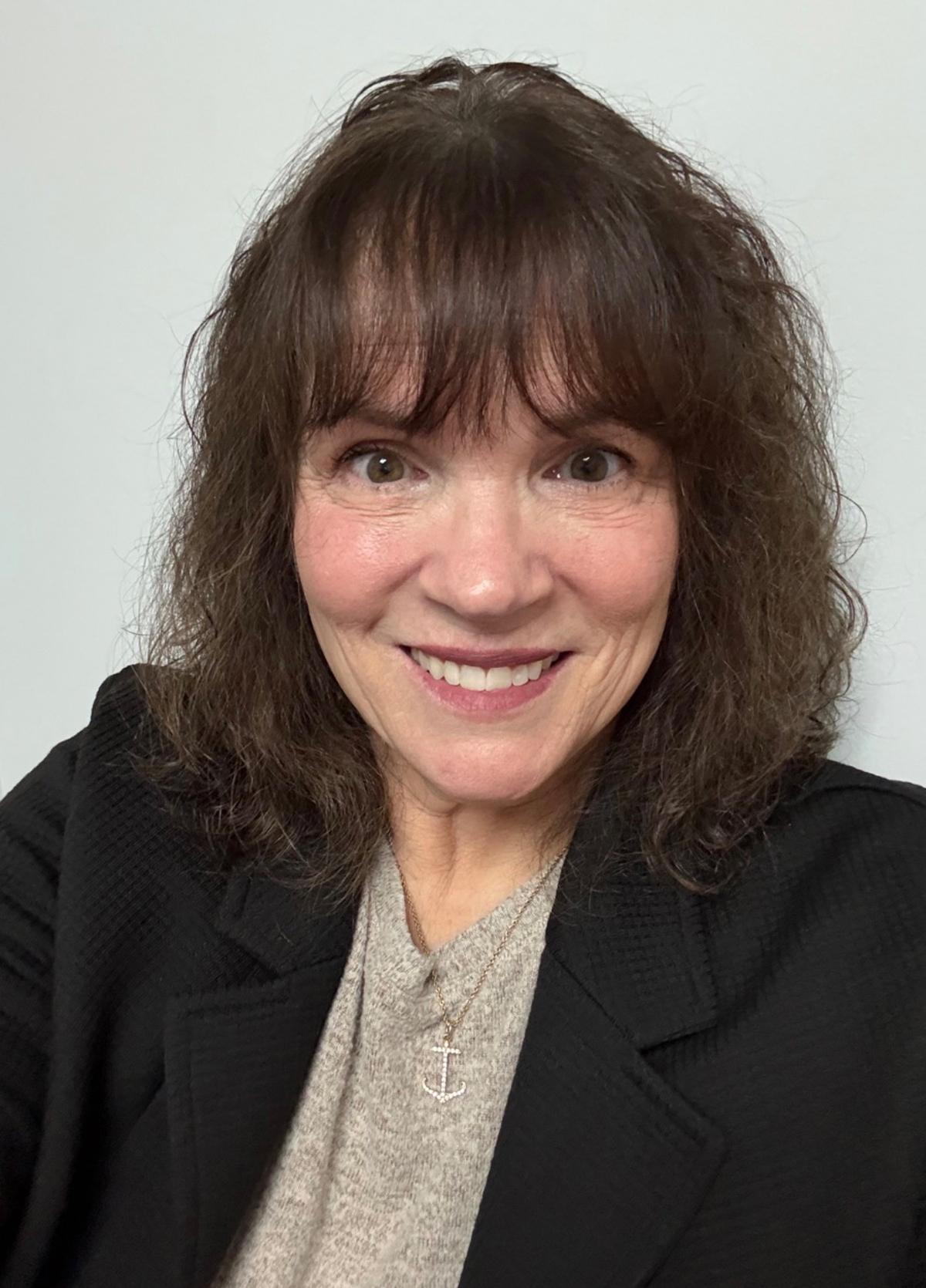
Sandy Gonzales began her career in the healthcare industry working as a physical therapy medical assistant and later a medical assistant within doctor’s offices.
After experiencing the clinical side of the industry, she decided to transition to a customer service role in healthcare distribution.
“In the at-times uncertain world of the medical industry, I saw the healthcare distribution side as a very stable place to be,” said Gonzales, who now works as a Customer Service Regional Manager at Concordance Healthcare Solutions.
Gonzales is passionate about her role, consistently enhancing operational efficiency and guiding her team to success.
“With 20-plus years of experience, I focus on strengthening regional performance, developing high performing teams and ensuring reliable service for our healthcare partners,” said Gonzales.
Prior to her roles in healthcare, Gonzales served in the U.S. Navy.
Her military service has undeniably shaped who she is as a professional today – drawn to the service following in the footsteps of her ancestors, she learned the importance of clear communication and decisive action.
“In the military, I developed a deep commitment to accountability, discipline and mission-focused teamwork while working in a high-pressure environment – which taught me how to support diverse teams in my career today,” said Gonzales.
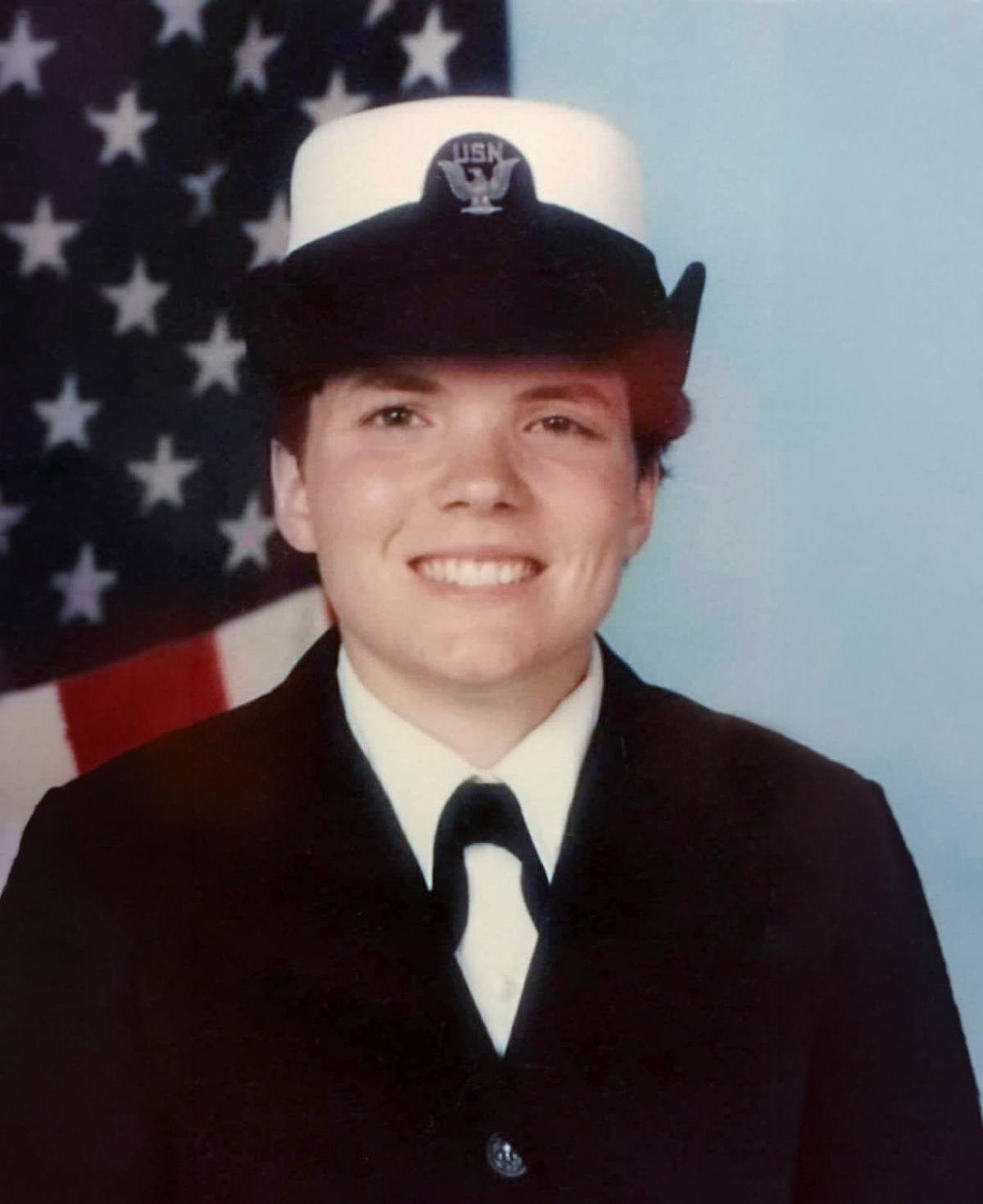
The healthcare distribution industry, at times also a high-pressure environment, is focused on delivering the right resources to the right place at the right time – which has continued resonate with after Gonzales after her service in the military.
“The end result of this career – getting the product to hospitals, physician offices and surgery centers so that the patient on the operating table gets what they need – is fulfilling,” said Gonzales.
Gonzales says that the ‘sense of urgency’ is comparable in both the military and the healthcare distribution industry.
“Everything is on timeline in healthcare, similar to within the military – if patients don’t have the product when they need it, they’re in trouble too – it could be your parent, sibling or child on the operating table that needs something,” said Gonzales.
She recalls one instance in her current role where her ability to perform under pressure was put to the test. “On a Sunday morning at one of our hospitals, they had a water crisis where the water was not safe to drink or use. I came into the office that day to get the driver and ops coordinated to quickly get the hospital the water they needed to operate,” said Gonzales. “I also reached out to the other hospital in the same town, and we were able to get both hospitals the water that they needed to safely run on very short notice.”
Gonzales said that what motivates her to succeed each day at work is “knowing that her career makes a difference in the lives of patients,” she said.
Gonzales believes a strong focus on teamwork, drawn from her military service career, is what carries her through challenges at work.
“I am a servant leader, and I strive to remove obstacles, provide resources and create an environment for my team where all individuals feel valued, supported and motivated to succeed,” said Gonzales. “I think this largely comes from being in the military, because you have to have teamwork to succeed in both spaces.”
Handling High-Pressure Situations
Marc Young applies well-honed discipline and clinical expertise to navigate challenges in healthcare supply chain operations.
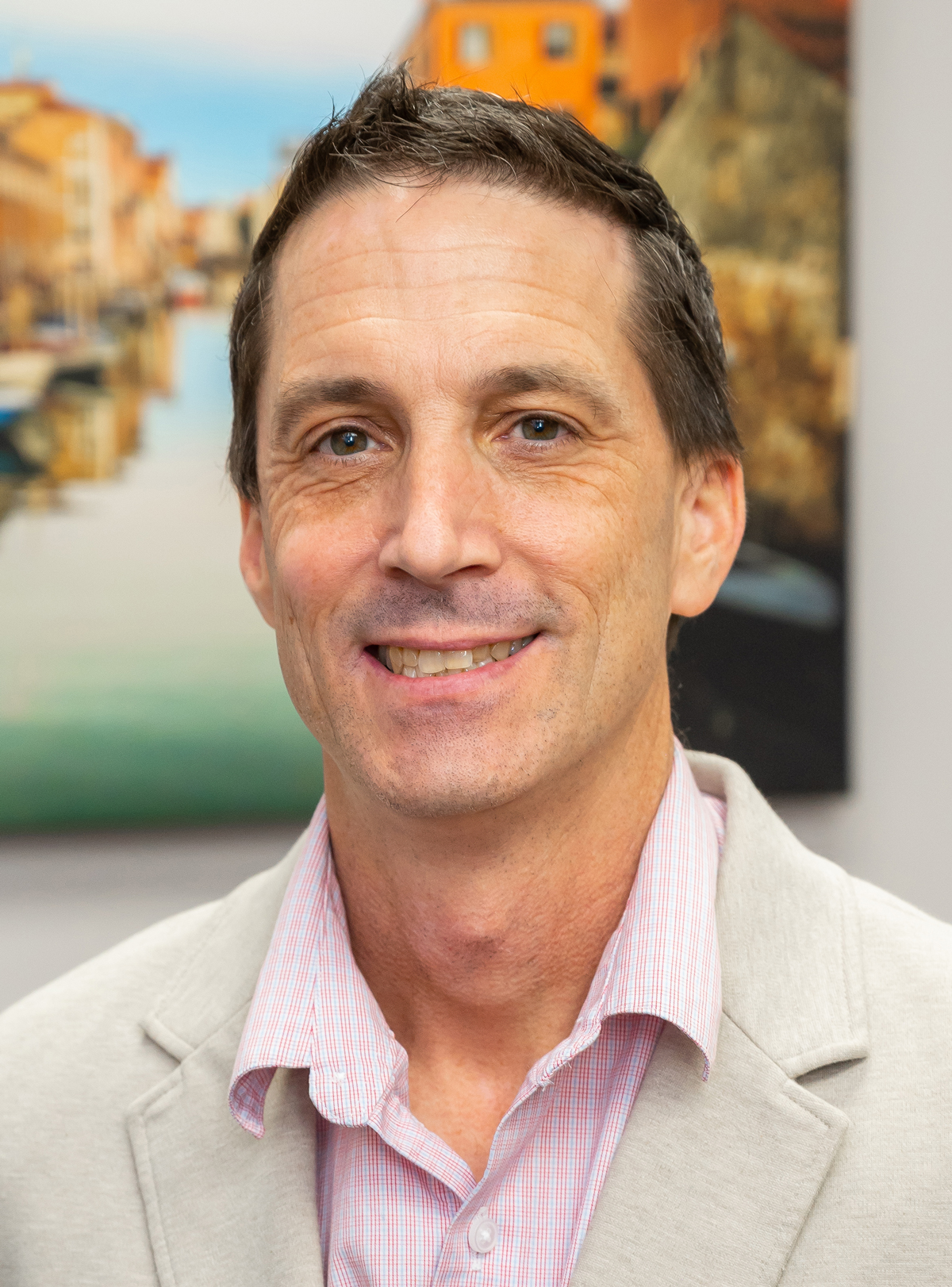
Marc Young, PharmD, Chief Strategy Officer at Nationwide Pharmaceutical LLC and an IMCO member, traces much of how he leads today in healthcare supply chain operations back to his 20 years of service in the U.S. Navy.
For Young, military service demanded constant adaptability, preparation and a willingness to take on uncertainty with limited direction. Those lessons, he said, continue to shape how he approaches challenges in pharmaceutical distribution and healthcare systems today.
“From the day you swear an oath, you understand you are not there just for the job you signed up for,” Young said. “The mission always comes first, and failure is not an option.”
Young initially entered the Navy through a pharmacy school commissioning program, which allowed him to complete his degrees while serving. What started as a four-year commitment ultimately became a 20-year career, during which he earned bachelor’s, master’s and doctoral degrees through the Navy.
After retiring from service, he transitioned into healthcare business operations, first supplying pharmaceuticals to government customers. He later expanded into commercial distribution through the acquisition of a small independent medical supply company, building a dual commercial and government-focused business model.
A sense of responsibility
High-pressure decision-making, Young said, has always been a constant in both his military and clinical careers — though it shows up in different forms.
As a pharmacist, he noted, the expectation is clear: decisions can carry direct consequences for patient outcomes, and that responsibility requires both precision and advocacy. That pressure is amplified in military service, where pharmacists are also commissioned officers and may be tasked with responsibilities outside their clinical training. “As a pharmacist, you are trained to make life or death decisions and advocate for the patient,” Young said. “The job itself has high-pressured characteristics.”
Over time, he added, advancement in rank brought broader operational responsibility —over people, budgets and mission execution — where decision-making often extended well beyond clinical expertise.
Since transitioning to civilian healthcare, Young said that sense of responsibility has taken on a different shape but a similar purpose. “There is nothing that compares to the sense of being in the military and around people who have volunteered like you to serve our country,” he said. “But both are ways of serving others.”
That service mindset, he added, is especially important in healthcare distribution, where the “end point of the supply chain” is always a patient. For his team, that translates into treating logistics and procurement as mission-critical operations rather than transactional business.
Even on difficult days, Young said his motivation comes from customer trust and reliability. Clients, he noted, consistently cite dependability as the reason they choose to work with his company.
“We consistently hear from our customers that they love how we take care of them,” he said.
Supply disruptions and changing conditions, he said, make it essential to stay proactive and continually validate assumptions. In his view, there is never a point where the work is fully settled.
“There is always an update we need to get,” he said, “to make sure what we thought was the case is still the case.”
Marine Discipline to Medical Sales Leadership
Mike Lonnemann applies nearly 30 years of healthcare experience and lessons from the U.S. Marine Corps to lead with discipline, teamwork, and calm execution in high-pressure med/surg environments.
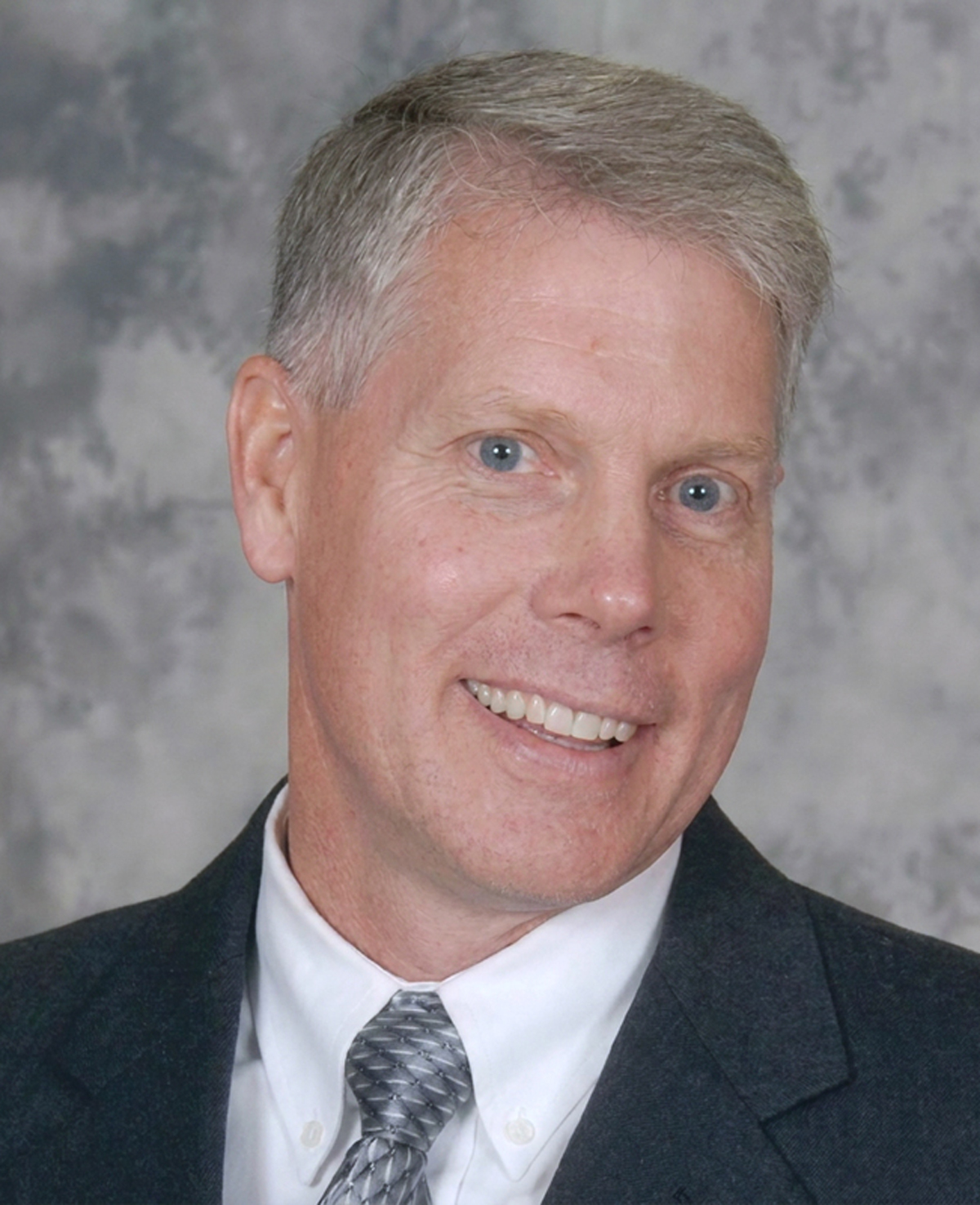
For Mike Lonnemann, a territory manager in outpatient care for Welch Allyn (a business unit of Baxter International), the lessons learned during his service in the United States Marine Corps continue to shape his nearly three decades of work in the U.S. healthcare supply chain.
Lonnemann credits his military experience with instilling a strong sense of discipline and accountability. Attention to detail, he said, is foundational — a mindset rooted in the belief that “if you take care of the little things, the big things tend to fall into place.” Just as important is leading by example, a principle he carried from his time in uniform into the professional world. “Leadership demands sacrifice,” he noted, emphasizing that he never asked others to do what he wouldn’t do himself.
That philosophy extends to how he views workplace culture. Lonnemann draws a clear distinction between building teams versus managing individuals. A strong sense of camaraderie, he said, fosters loyalty and long-term commitment. Employees who feel part of a cohesive unit are more likely to stay and contribute, whereas those motivated purely by compensation may be less invested.
Influences and connections
His path to military service was shaped early by family influence. Lonnemann’s father, a Navy veteran of World War II, and his older brother, who served in the Army, instilled values of duty and service. Those influences, combined with a Naval ROTC scholarship, enabled him to attend Miami University and ultimately earn his commission as a Marine — fulfilling a goal that might otherwise have been out of reach financially.
After transitioning to civilian life, Lonnemann found his way into healthcare through another family connection. His father-in-law, a longtime distributor sales representative, encouraged him to pursue an opportunity with Welch Allyn.
Nearly 26 years later, Lonnemann remains with the organization, now part of Baxter International following its integration with Hillrom. Over that time, he has applied the same principles learned in the Marines — discipline, teamwork and service — to build lasting relationships with customers and colleagues alike.
For Lonnemann, the transition from military to healthcare was less of a departure and more of a continuation of purpose: serving others, leading with integrity and contributing to a mission larger than himself.
Improvisation in high-stakes sales situations
Lonnemann recalls a defining moment from his military service that continues to influence how he approaches challenges in his current role. As a young Marine field artillery officer preparing for deployment, he was unexpectedly tasked with serving as an embarkation officer during an amphibious exercise — despite having no formal training for the role. Responsible for coordinating the backloading of equipment onto the USS Whidbey Island, he leaned heavily on the experience and guidance of seasoned noncommissioned officers.
The experience underscored a critical lesson: earning trust and building the right team can make even the most daunting assignments manageable. “When you earn the respect of your teammates, you can accomplish great things when you assemble the right team around you,” Lonnemann said.
Years later, that same principle proved instrumental in a high-stakes sales opportunity. Faced with a complex cardiopulmonary equipment presentation, Lonnemann tapped into a network of former colleagues to help demonstrate a stress system integrated with EPIC electronic health records. The collaborative effort resulted in the largest order of his career, reinforcing the value of teamwork and relationships.
In high-pressure situations, Lonnemann relies on another lesson from his military days: stay calm and execute. Panic, he noted, can quickly derail outcomes. “A good plan that is executed well is better than a perfect plan that is poorly executed,” he said. That mindset — coupled with a willingness to adapt — continues to guide his decision-making in the fast-paced healthcare environment.
Strong sources of inspiration
For Lonnemann, the transition from military service to healthcare has also helped preserve a sense of mission — even if it looks different from his days in uniform. Supporting clinicians with the tools they need to care for patients provides a meaningful connection to service. “The medical equipment that you are selling serves as tools to help physicians and nurses maintain and sustain patient lives,” he said, noting that the impact, while indirect, is still deeply significant.
That sense of purpose carries into how he works with customers. Lonnemann believes the biggest challenge healthcare providers face is identifying solutions that deliver both clinical and financial value. His approach is rooted in listening first. By asking open-ended questions and understanding the full scope of a customer’s needs, he positions himself as more than a salesperson. “Once you understand the problem, you must provide a roadmap to the solution,” he said. “If you provide a solution that best meets their needs, you earn their trust.”
He also sees clear advantages in the way veterans approach the healthcare supply chain and med/surg environment. The ability to think quickly, adapt and remain calm under pressure — all hallmarks of military training — translates well in an industry often marked by disruption and urgency. That mindset, he said, allows veterans to be both resourceful and steady when challenges arise.
On the toughest days, however, Lonnemann’s motivation is grounded closer to home. Family remains his strongest source of inspiration. “The best names that I have been given are husband, father and grandfather,” he said. “The best sounds are my wife calling me ‘Love,’ my daughters calling me ‘Dad’ and my grandsons calling me ‘Pop.’”
Answering the Call
Jamie Edwards brings 24 years of Army leadership to Midmark, helping VA and DHA customers navigate procurement complexity with a calm, mission-first approach.
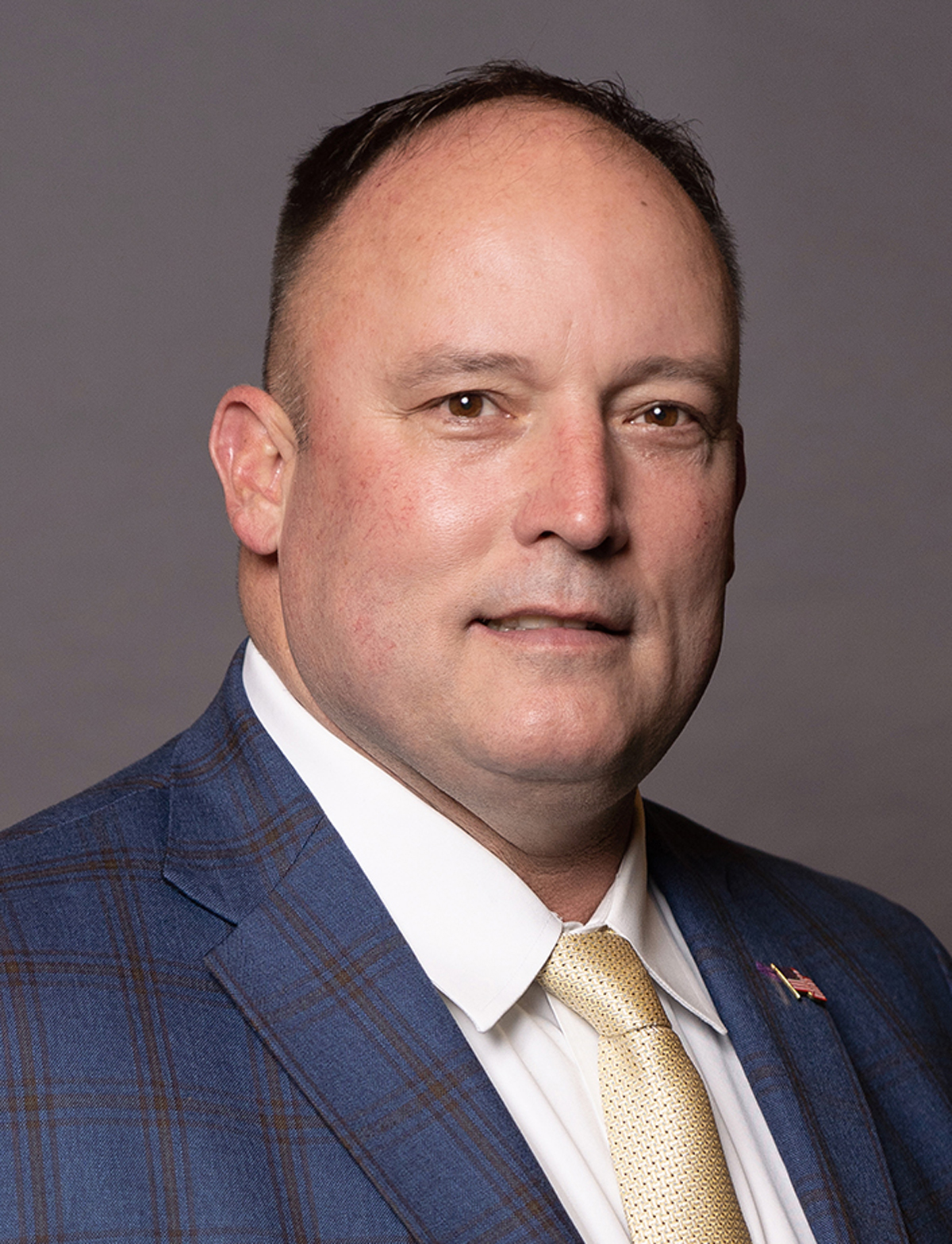
In healthcare supply chain and med/surg environments, high-pressure decision-making mirrors military operations – something Jamie Edwards understands after 24 years of service. Now Corporate Accounts Executive – Government at Midmark, he applies a mission-first mindset to complex challenges.
“First, understand the mission – what the customer needs and their challenges,” he said, emphasizing collaboration to identify decision-makers and deliver solutions.
His experience as an Infantry and Logistics Officer shaped core values: train to standard, prioritize the mission and maintain clarity. These principles guide his work with VA customers. Edwards continues to find purpose supporting military and VA healthcare facilities while serving in the Reserves.
From service to support
Edwards’ path to military service began with a long-held desire to serve something greater than himself, a commitment that became even more defined in the wake of 9/11.
“I had always wanted to serve my country, and after 9/11, I knew it was time to answer that call,” Edwards said. “What first drew me to military service was the opportunity to serve a greater purpose, be part of a team and make a difference.”
His transition from military to civilian life was not a straight line. A pivotal moment came when a fraternity brother and fellow veteran, Will, reached out with an opportunity in medical sales. At the time, Will was working in the same Midmark role Edwards now holds.
“He told me about the chance to work with the VA and help provide better care for veterans, and he asked me to send him my resume,” Edwards said. “Soon after that, I got a call from a hiring manager who told me he was getting on a plane to come meet me the next day. We met, and I was hired.”
What stood out most was not just the opportunity, but the sense of continuity within the veteran community. “Will opened that door for me, and I’ll always be thankful for that.”
Today, Edwards helps VA and Defense Health Agency (DHA) customers navigate complex procurement environments, where shifting funding and administrative processes can delay critical projects.
“One of the biggest challenges for our VA and DHA customers is dealing with changes in funding and procurement, which can slow projects down,” he said. “I stay up to date on the process, understand their challenges and work with our team to help provide solutions that keep projects moving forward.”
He also continues to rely on a foundational military lesson: stay mission-focused regardless of changing conditions. “There have been times when funding or procurement changes created delays and uncertainty,” he said. “In those moments, I stay calm, adapt, communicate clearly and keep moving toward the objective.”
That mindset extends to what drives him on difficult days. For Edwards, motivation comes first from family, and second from the purpose embedded in his work.
“My family is what motivates me most on the toughest days; they’re the reason I keep pushing forward,” he said. “And being able to support veterans by helping provide the best products for their care and rehabilitation means a great deal to me.”
He also credits the dedication of his colleagues across regional teams who support VA and DHA facilities. “Knowing that our efforts help improve care for veterans is what gives my work real meaning,” he said.
A Family Legacy
Inspired by generations in uniform, Kevin King brings a mission-driven mindset from Army medicine to his role supporting healthcare providers at Midmark.
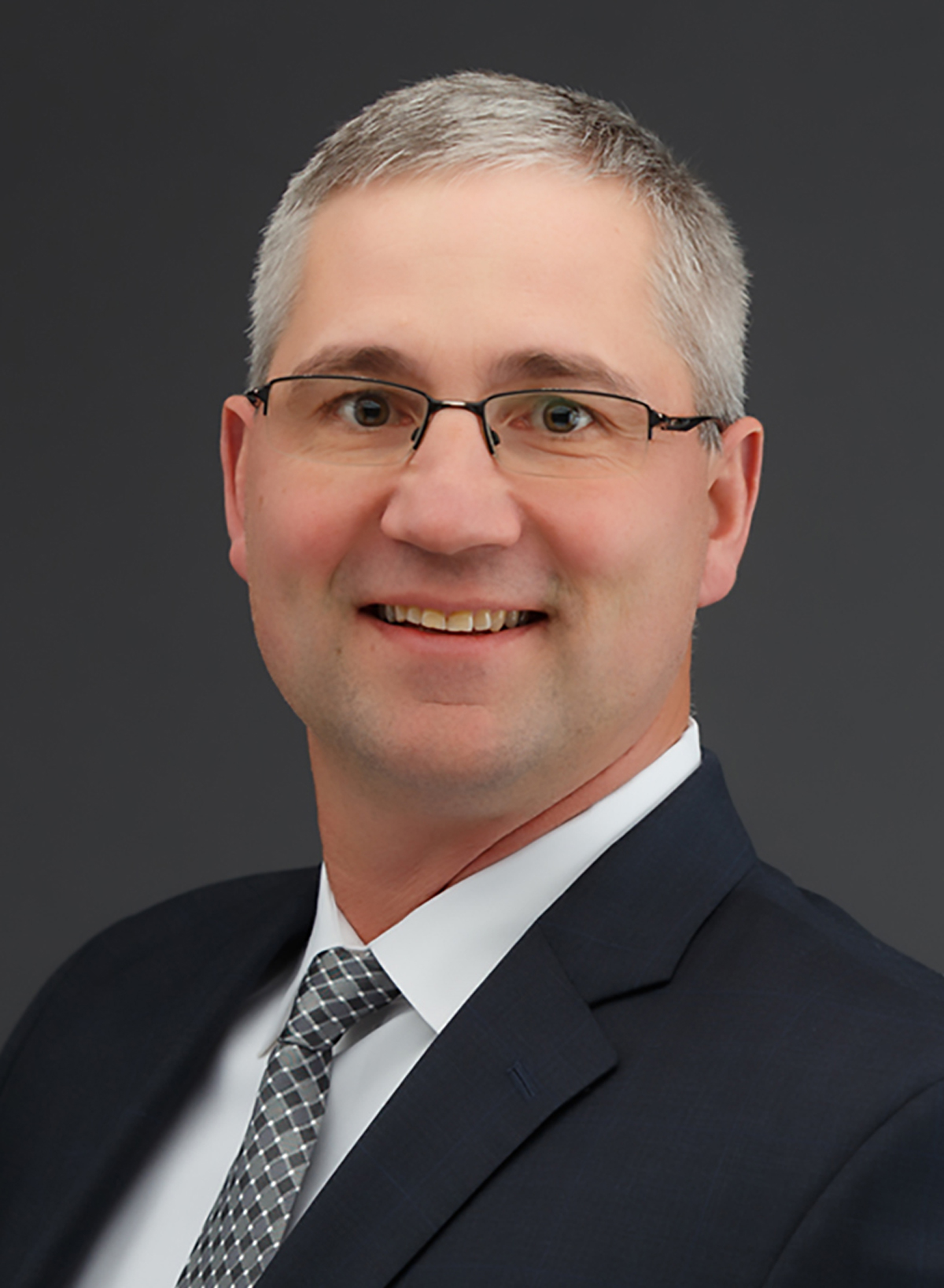
Kevin King’s decision to serve in the military was rooted in family. With uncles, great-uncles and grandfathers who served in the Army and Navy, he grew up surrounded by stories of duty and sacrifice. That heritage, he said, instilled both pride and a desire to contribute to something larger than himself.
“I was drawn to military service because of my family,” said King, Territory Portfolio Manager with Midmark Corporation. “Their example instilled a strong sense of pride in our country and service. I wanted to carry on that legacy and be part of something bigger than myself.”
That sense of purpose was further shaped during his time as an Army combat medic, where he gained firsthand experience in high-pressure clinical environments. Those formative years not only strengthened his medical foundation but also influenced his long-term career path. After leaving the military, he continued along the clinical track, completing paramedic training before eventually transitioning into medical distribution.
The shift allowed him to stay close to patient care while expanding his impact beyond the bedside.
“I knew I wanted to stay connected to the medical field in some capacity,” he said. “That experience had a lasting impact on me.”
An ability to adapt
Today, in his role with Midmark, King supports healthcare providers navigating an increasingly complex environment shaped by staffing shortages, workflow demands and evolving clinical needs. He credits his military background with giving him the ability to remain steady in the face of constant change.
“With the constant changes in the medical industry – new regulations, shifting workflows or evolving customer needs – I rely heavily on my ability to adapt,” he said. “That’s something my military service really ingrained in me.”
He also points to decision-making under pressure as one of the most transferable skills from his time in uniform. In both military and civilian roles, he said, the challenge is often to act decisively with incomplete information while maintaining composure.
“I approach high-pressure decision-making by staying calm, focusing on the facts in front of me and trusting my training and experience,” King said. “In service, decisions often had to be made quickly and with limited information. The process is very similar now – stay composed and make the best decision possible.”
Beyond technical skills, King said the military also reinforced the importance of teamwork and accountability – values he sees mirrored in healthcare environments today. He describes his current work culture as mission-driven, with a shared focus on improving outcomes for patients.
That sense of mission, he added, helps fill a familiar space left after military service. “Working with my West Coast team at Midmark brings back a lot of that same camaraderie you find in the military,” he said. “We support each other and stay fully focused on the mission at hand.”
On difficult days in the field, King returns to that larger purpose: improving patient care. Even when challenges mount, he said, the impact of the work keeps him grounded.
A Service First Mentality
Guided by military lessons and a deep sense of purpose, Andy Fleagle helps healthcare providers navigate complexity and stay focused on patient care.
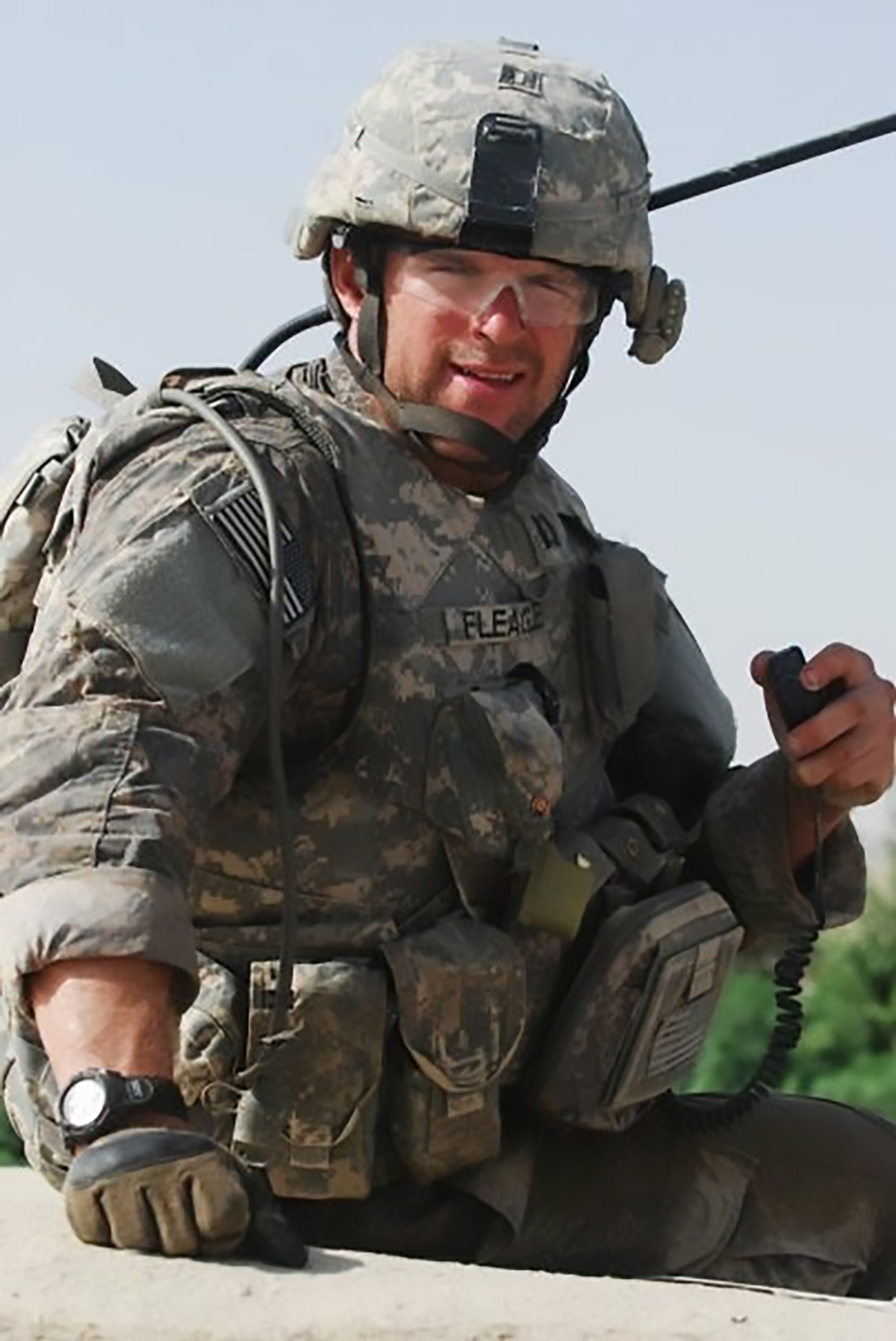
For Andy Fleagle, the path to military service was shaped early by both conviction and challenge. Growing up in a small town in Ohio where “patriotism and hard work were deeply rooted — and where we didn’t have much,” he set his sights on West Point. Even when a guidance counselor told him his school “didn’t send students to service academies — and that I didn’t have a chance,” Fleagle pushed forward anyway. Looking back, he says, “My path to service was defined by patriotism, necessity, and a determination that has stayed with me ever since.”
That foundation carried through nearly 25 years in uniform and continues to influence his work today as a surgical sales specialist with Brasseler USA Surgical. Fleagle credits his military experience with shaping his professional identity in lasting ways. “My time in the military has helped define my professional approach and ultimately has made me a better, and more effective, medical sales professional,” he said. He points to fundamentals that remain central to his success: “The lessons of being punctual, transparent, and responsive have been a huge asset during my 14 years in medical sales.”
At the core of his approach is a “Service First” mindset that guides how he supports healthcare providers. “Ultimately, a ‘Service First’ mentality is a common thread, and it is a commitment our team shares to support healthcare practitioners,” Fleagle said.
A healthcare calling
While Fleagle’s active duty role in the Army was unrelated to medicine, a shift began during his Army Reserve years when a mentor working in medical sales operations in Denver saw potential beyond the uniform. “He valued the organized, hard-working leader he knew from our time in service, and he assured me those were the traits that mattered in healthcare,” Fleagle said. Though initially hesitant — “I never saw myself as a ‘sales guy’” — he ultimately followed that encouragement into the field.
That same mindset continues to shape how he shows up today. Fleagle draws a direct line between military resilience and success in medical sales, where rejection is routine and adaptability is essential. “In the Army, you are regularly working outside of your comfort zone while learning and hopefully improving as a person and leader at the same time,” he said. “That same mindset is essential in medical sales, where you hear ‘no’ far more often than ‘yes.’”
He credits that experience with helping him stay grounded under pressure. “I lean on the resilience I built during my toughest times in the service to keep things in perspective and find creative ways to turn rejection into a win,” Fleagle said.
For Fleagle, the transition from military service to healthcare has ultimately reinforced — not replaced — the sense of mission he once found in uniform. “I value the dual perspective I’ve gotten from serving in the Army and working in medical sales; both environments are defined by a commitment to the mission and collective success,” he said. The shift wasn’t immediate. After two and a half years of combat deployments, stepping into the corporate world was, in his words, “a significant challenge,” but one that ultimately clarified the importance of finding the right fit.
Over time, Fleagle found both direction and purpose in healthcare, shaped by strong leadership and mentorship across his 14 years in the industry. That sense of connection extends beyond his day-to-day role at Brasseler and Henry Schein, where he points to a deeply embedded culture of purpose and community. “Our Employee Resource Groups (ERGs) play a major role in that,” he said, noting his role as Co-Chair of the Veterans Engagement Team (VET) ERG. The group, he added, works to “unify veterans, their families, and Team Schein Members by fostering camaraderie, providing recruiting of and advocacy for service members, and giving back to the community.”
More broadly, Fleagle believes veterans bring a distinct advantage to healthcare environments. “Veterans bring great perspectives to healthcare because we are mission-focused, hardworking, and resilient,” he said. “In a complex, competitive environment such as healthcare supply chain, we are willing to put in the extra work to take care of our teams and customers.”
Showing up when it’s hardest
On the toughest days in the industry, Fleagle leans on a mindset forged over decades of service. “I am deeply motivated to serve as a steady example for my family, friends, and colleagues,” he said. “It is easy to be a positive influence when conditions are favorable, but I have conditioned myself over the years to find comfort in the uncomfortable.” That discipline, he added, allows him to stay grounded and effective when pressure is highest: “By embracing challenges, I can remain the best version of myself and provide meaningful value precisely when it is needed most.”
He sees that same philosophy reflected in the culture at Brasseler and Henry Schein, where shared values shape how teams support one another through complexity and change. “There is a deep understanding that each person is as important as the next, and we stand by one another to ensure we stay focused on the mission of supporting our customers and the communities they serve,” Fleagle said.
That mission becomes especially critical as healthcare organizations navigate mounting operational pressures. “The current healthcare landscape is incredibly complex,” he noted, with customers balancing “superior patient outcomes with the operational realities of cost savings, efficiency, and compliance.” His approach is rooted in partnership: “We take a hands-on, consultative approach within facilities to alleviate that burden.”
Ultimately, Fleagle keeps the focus on impact. “At the end of the day, we put our best into everything we do so that healthcare professionals can produce the best results for the patient while maintaining a healthy bottom line for their business.”
Pursuing the Mission
Mike Muschinsky’s journey from Air Force medic to QuidelOrtho leader shows how mission, discipline and patient focus translate to success in medical sales.
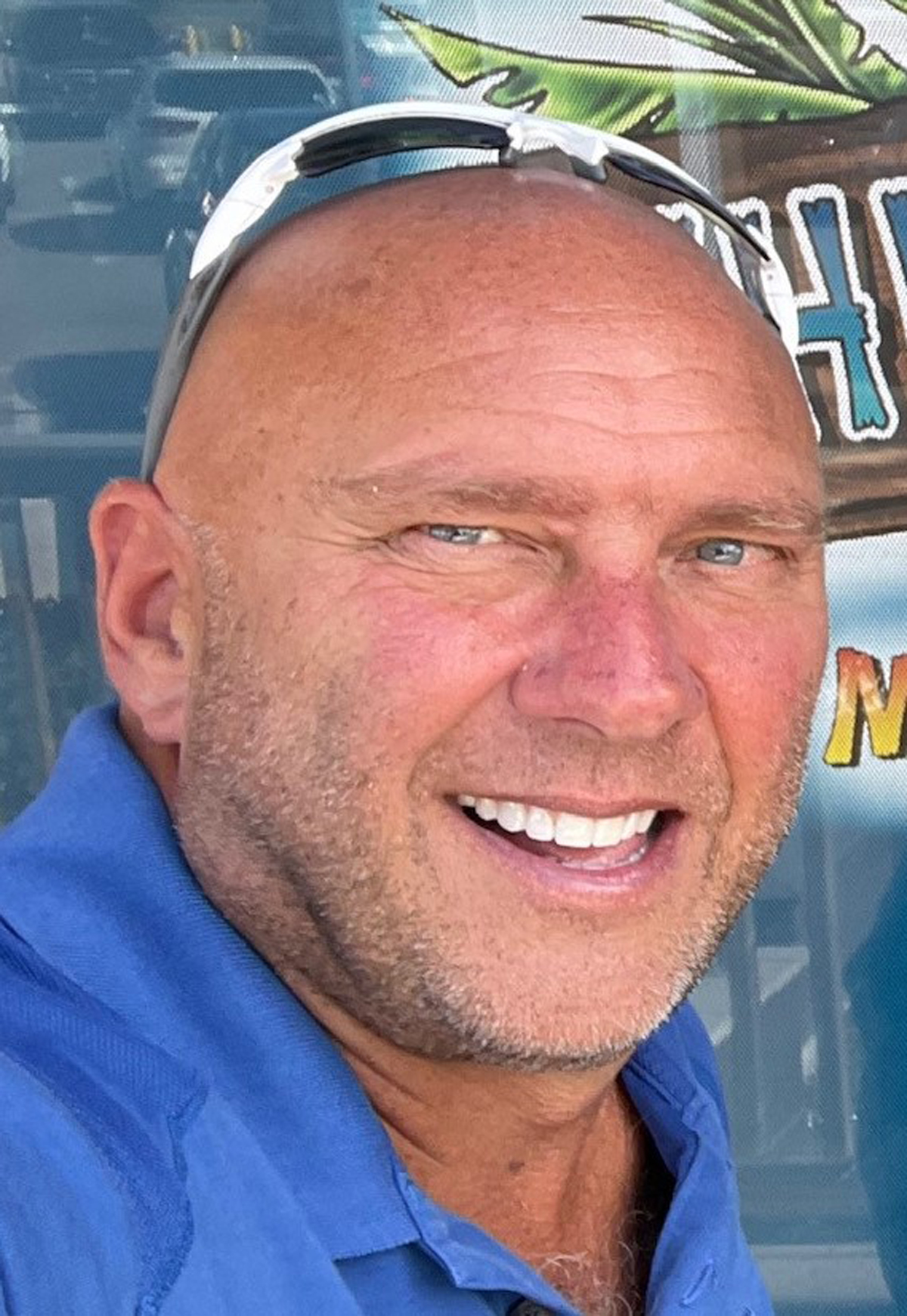
After military service, veterans often experience a loss of mission or purpose that can impact how they see themselves and what they pursue in their post-military lives. Mike Muschinsky has experienced what it’s like to pursue that sense of mission, even in the midst of getting a degree and a significant career change.
Repertoire Magazine spoke to Muschinsky, Senior Channel Sales Manager at QuidelOrtho, about his role in the United States Air Force, his journey to medical sales and how the military has shaped his experience.
Joining the Air Force
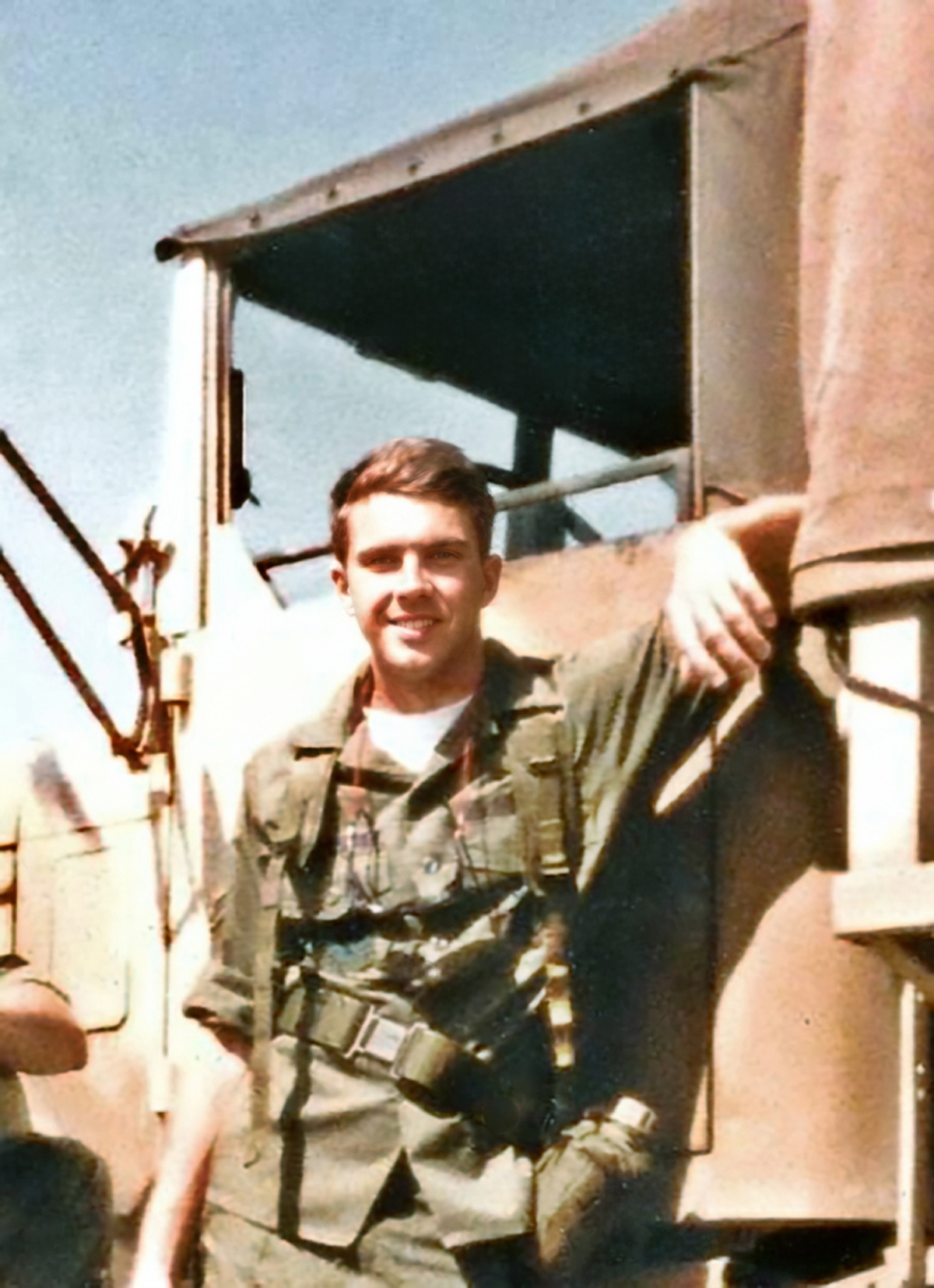
Muschinsky joined the Air Force at 17 years old, right out of high school. He knew that his family didn’t have the financial capacity to put him through college, but he knew that he wanted a degree. “I didn’t really look at myself as the military type. I looked at the military as a way to help me through school and earn a degree.”
His role in the Air Force was a little different than one might traditionally assume about the military – instead working as a pilot or a mechanic, Muschinsky was stationed at Mather Air Force Base in Sacramento, California, as a technician in labor & delivery and the newborn nursery.
“It was one of the happiest places on Earth,” he said. “I helped deliver 109 babies in the two years that I was there – I counted before I left. It was a great experience because it wasn’t like it was the surgery or medical ward. It was a really great job. I loved it.”
After two years of working in labor and delivery at the Mather Air Force Base, he earned his EMT license and started working in the emergency department before being relocated to Izmir, Turkey. This was a new experience for him, because Izmir didn’t have a military base. It was a post for the NATO Southeast headquarters, which meant that Muschinsky lived in the city, renting from a Turkish landlord, and walked to work every day.
His clinic employed three doctors, three nurses and 12 EMTs, who worked together to service U.S. Forces and NATO. With this job, Muschinsky had the opportunity to travel throughout and explore Europe, drinking in the culture and enjoying the last year and a half of his military career. He got out of the military in December 1987 and enrolled at Manatee Community College in Bradenton, Florida, in January 1988.
“The military helped me pursue what I really wanted to do and earn that degree,” he said. “I was the first in my family to ever earn one. My cousin graduated a month later, but it was cool to say that I was the first.”
The journey to QuidelOrtho
After earning a public relations degree at the University of Florida, he decided to try something different and pursued a career in advertising for about five years. Eventually, he decided that advertising wasn’t what he was meant to do, so he approached his wife to say that he was going to make a career change.
He decided to try medical sales. “I thought I would be perfect at it. With both my clinical and public relations background, I truly thought it would give me an advantage and understanding of what clinicians needed and what they’re looking for from that perspective.”
Muschinsky worked at a couple of different companies before eventually landing at QuidelOrtho, where he’s worked for 18 years now. His current role is a Senior Channel Sales Manager for molecular and point of care products. In this role, he is responsible for developing and managing relationships with distributors in his region, ensuring that the internal team at QuidelOrtho is connected with their distribution partners.
He conducts quarterly business reviews with distribution managers and lab specialists, as well as developing and executing the regional channel strategy. He said, “I’m the main point of contact for communication to the regional teams with distribution. Whether we’re bringing a product to market or significant updates that need to be communicated, I’ll be the one to send out that main communication regionally to make sure it’s consistent with what we’re saying corporately.”
Leveraging his military experience
As for his military experience, he has found that it helped to set him up for success as his career has progressed. “Going in when I was 17, there were so many times that I still look back at that helped me become who I am today. From the stress of working in labor and delivery to all of the different things that can happen in the emergency department, the number one thing it really comes back to is being a team player. You have to rely on your colleagues, your comrades.”
The military also imparted a sense of responsibility and timeliness that is essential in an industry where timeliness is critical. One of the things the military taught him is how to make very quick, but calculated decisions based on the information that you have in the moment. Muschinsky has found that he is capable of giving answers, good or bad, to his customers when they need them.
Perhaps most importantly, Muschinsky’s service in the military put him in a position where he was able to take care of people, often at their most vulnerable. Not only does that feed into how people rely on him at work, but it also helps to put the most important component of medical sales into perspective: the patient.
“People rely on you. We have great products that can take care of people’s well-being and give a proper diagnosis. Knowing that you’re taking care of people, whether it’s the distributor rep or the end user is a part of that sense of responsibility.”
From the Army to Medical Sales
From armored vehicles to customer relationships, Blomgren shares how military service prepared him for success in the competitive world of medical sales.
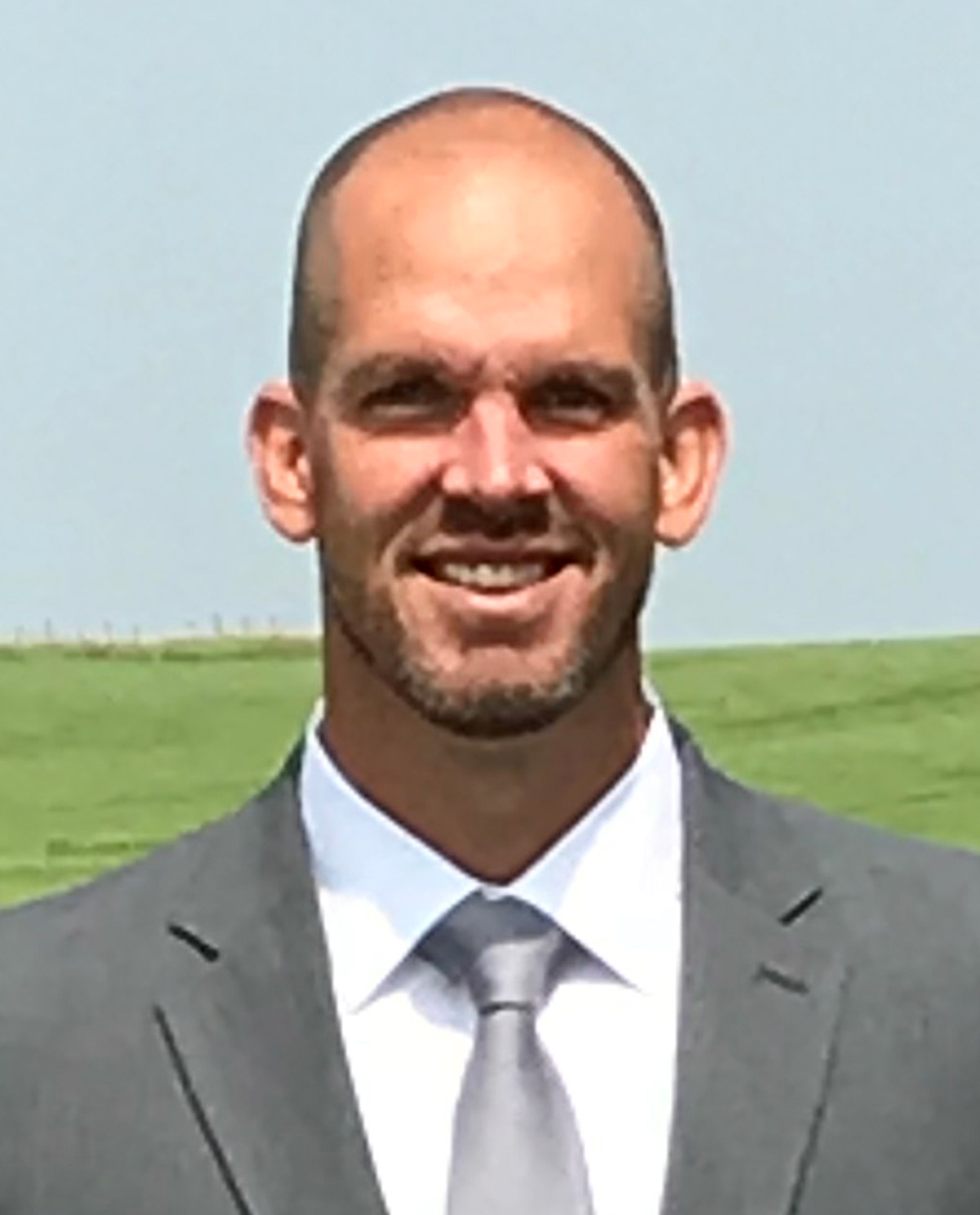
After years of military service, Wade Blomgren traded in his military fatigues for professional attire and joined the fast-paced world of medical sales. While this wasn’t always the plan he had in mind, his journey has led him to leading a sales team that covers the mountain region of the United States, which includes everything on the east side of the Colorado Rockies from North Dakota to New Mexico.
While it’s a significant change of pace from his previous role, Blomgren has found a new purpose in leading his teams and helping veterans through his nonprofit. Repertoire Magazine spoke to Blomgren, a regional sales director at QuidelOrtho, about his experience in the Army, the transition to civilian life, and how his military experience informs his current role at QuidelOrtho.
Joining the Army
Blomgren joined the Army right out of high school because he wasn’t interested in college and didn’t have any concrete ideas about what to do for a career. Growing up in the heartland of America, Blomgren developed a strong work ethic from living on a farm, which translated pretty easily into the military. It didn’t hurt that a majority of his family had served in the military in some capacity – the military has always been a huge part of his life. Blomgren said, “I always had a pretty heavy regard for those that have served our country.”
“My recruiter said that I was the first guy that ever walked in and asked if it was ok if I joined the Army,” Blomgren said. “Ironically, he said yes. My first job was as a petroleum supply specialist. It wasn’t glitz and glamour, but it was supporting an armor battalion. I did a bunch of loading and reloading for all the M1 Abrams tanks before eventually getting my commission to become an armor officer.”
As an armor officer, Blomgren had four tanks in his platoon that he was responsible for managing, ensuring that the tanks were operated correctly and that all the men under his command stayed safe. He was stationed in Fort Stewart, Georgia, before he was deployed to Iraq as a mechanized infantry platoon leader, where he was in charge of four large vehicles and about 40 soldiers doing local patrols.
When he returned from Iraq in 2007 after his tour was complete, a good friend from ROTC reached out to inform that he had secured a job interview for Blomgren with Ortho Clinical Diagnostics. “I told him that I was going back to the same company I worked for. He said, ‘I don’t care what you say. These jobs don’t open very often, and you need to do this.’ So, I interviewed from Fort McCoy, Wisconsin, and I’ve been in the diagnostic space ever since.”
Using the military experience
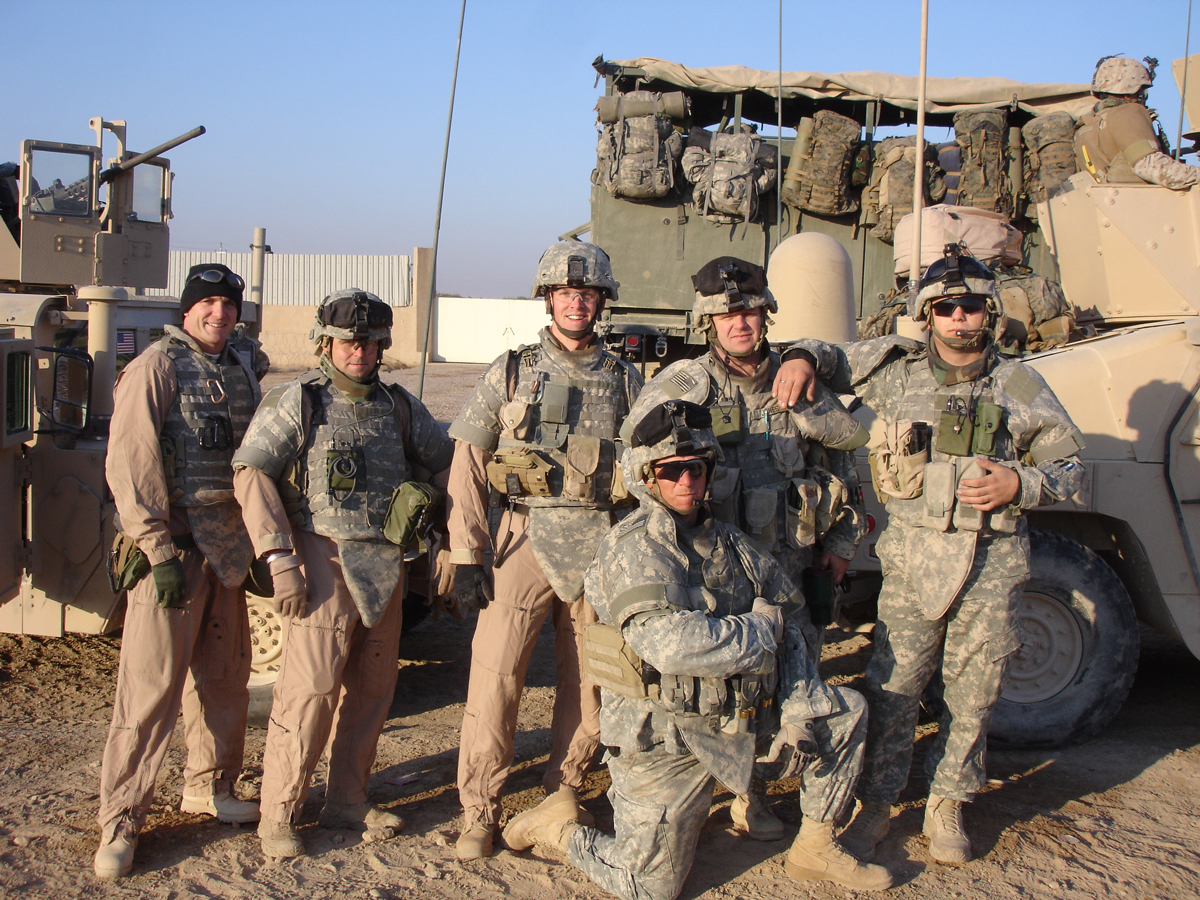
Moving into the diagnostic space from the military was a significant change of scenery for Blomgren, but that experience helped to inform his current approach to sales leadership. A huge part of that is perspective – once you’ve been in dangerous and life-threatening situations, a lot of the things that frustrate most people about civilian life don’t feel significant anymore.
Blomgren said, “I think the biggest thing for me is that it has helped me appreciate how trivial some of the challenges are that we go through on a day-to-day basis. I think every organization has changes every year, and when a customer or one of our commercial teams doesn’t like those changes, it’s a little easier for me to put that in perspective. These changes aren’t going to be life threatening for any of us.”
As for the transition to working in healthcare sales, Blomgren believes that the military helped make that easier. In sales, you need initiative to be able to build your own plan and the ability to hold yourself accountable. He said, “After what I’d see others do sometimes, I just wouldn’t understand why there wasn’t effort or consistency. The frustrations that come with that, I think that’s where you assimilate to your new environment.”
With every big change, there comes a learning curve. Coming from military life to civilian life can be challenging, especially in the ways that people relate to each other. The ability to adapt to those changes is what will decide your success in this new arena. Blomgren learned firsthand that he needed to be flexible with the people on his team in order to be an effective leader.
“I wanted to be a people leader, and I got the opportunity young in my career to be a people leader. When I had that opportunity to be a people leader, I had one of the best account managers that I’ll ever work with go on a field ride with me. I have always looked at feedback as a gift – my belief was that I should be transparent, tell them what they’re doing well, and how they can improve. Afterwards, I found out that she didn’t take that feedback the way that I take feedback.”
Fulfilling a sense of mission
After getting out of the military, some veterans can struggle with a lack of purpose or a sense of mission. Some people can fill that void with work, diving headfirst into their jobs to find a greater purpose. For Blomgren, that only accounted for about 20% of his purpose.
With work, he’s been able to build a sense of camaraderie with his team that goes beyond his job. Aside from the relationships he’s built with his team, Blomgren has built a nonprofit designed to give law enforcement officers, firefighters, first responders and military veterans an opportunity to go on outdoor adventures as a way to thank them for their service.
Hero Haven, founded in 2021 by Blomgren and two other service members, offers veterans and first responders a way to decompress and connect with others who have a shared experience. Through this organization, Blomgren has built a community and provided a respite for veterans who desperately need it, while also fulfilling a greater sense of purpose for himself.
“As we talk to people about it, we’ve yet to find someone that says, ‘Oh, that sounds like a horrible idea. I don’t know why you want to do that.’ Everybody gets that those people that run towards danger when everyone else runs away are owed something. And this is just a way to give back to them.”