Outdated sterilization processes can put patients and workflows at risk – making it essential for distributor reps to guide practices toward the right autoclave solutions.
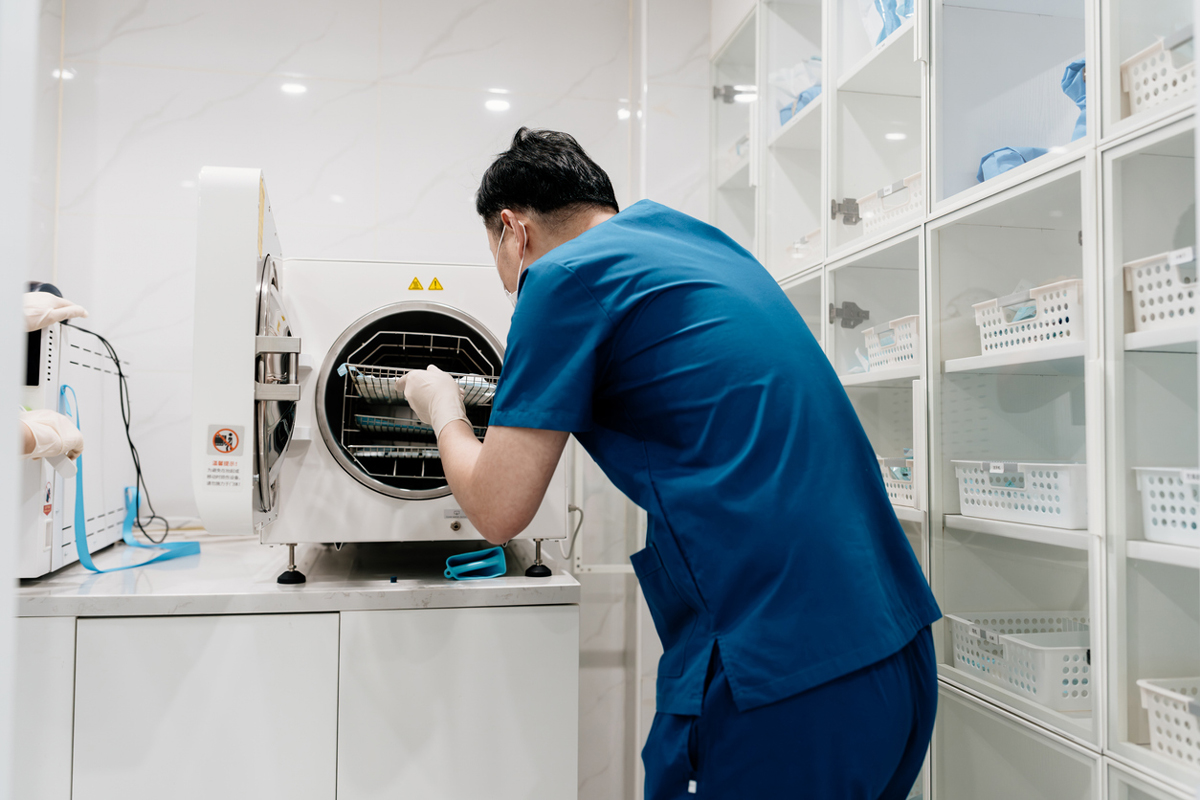
As outpatient procedures grow more complex, sterilization is becoming a critical conversation point for distributor sales reps – not an afterthought. According to Tuttnauer, reps should proactively discuss autoclaves whenever they introduce new instruments into a physician office.
“The instruments of today are not the instruments we used to see,” the company noted. While older, solid stainless-steel tools could be safely processed in gravity steam sterilizers, many modern devices feature hollow components and mixed materials that require more advanced sterilization methods, such as pre- and post-vacuum cycles.
Relying on outdated equipment can create significant gaps in infection control. Practices may unknowingly use sterilizers that fail to meet manufacturers’ instructions for use or current Association for the Advancement of Medical Instrumentation (AAMI/ANSI) guidelines. In some cases, improper processes – like manually exhausting steam before instruments are fully dry – can compromise sterility altogether.
The risks are substantial. Improper sterilization can lead to post-surgical infections, patient harm and potential regulatory scrutiny or litigation. In contrast, the right autoclave not only ensures compliance but also supports efficient, repeatable workflows in fast-paced outpatient settings.
Capacity drives throughput
Sterilization capacity plays a central role in keeping procedure-heavy practices running efficiently. According to Tuttnauer, capacity is essentially “the engine” behind patient throughput. The size and performance of an autoclave can directly influence how many procedures a practice can perform, how quickly instruments are turned over, and how smoothly clinical workflows operate. When a unit is undersized – or worse, goes down – turnaround times slow, labor demands increase, and staff may feel pressure to cut corners, potentially compromising best practices.
Distributor reps can uncover sterilization gaps by asking about practice type, instrument size, and procedure volume. Specialties such as plastic surgery, urology, OB-GYN, and dermatology often require Class B sterilization for complex instruments.
As advanced procedures continue shifting into outpatient settings, sterilization demands – and the risk of errors from outdated equipment – are expected to grow. Class B autoclaves are likely to become the standard in physician offices, giving reps an opportunity to help practices prepare for evolving needs while supporting a wider range of procedures.